What You Should Know About Plant Walls Before Getting One
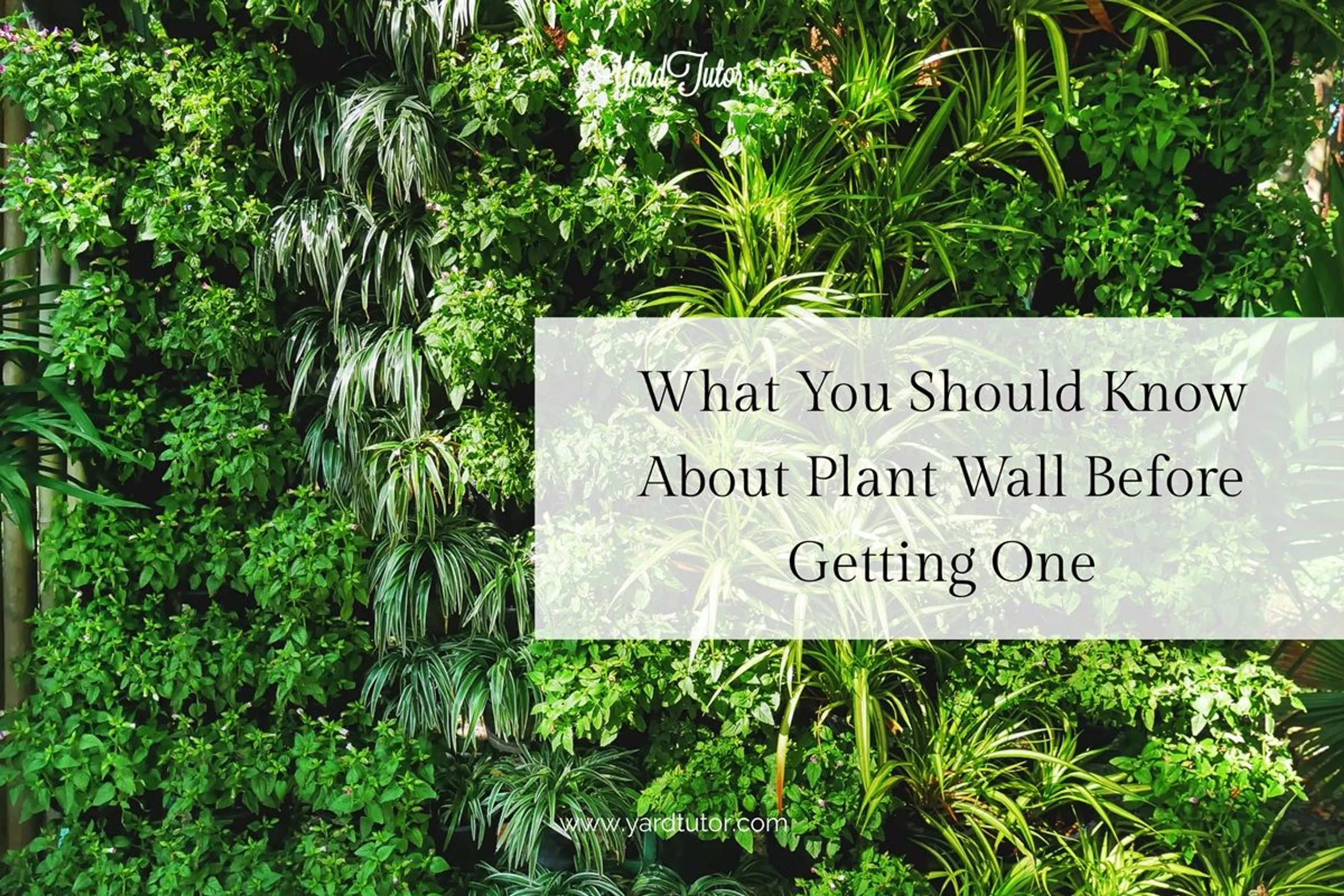
Greenifying your space has never been trendier, and living plant walls are at the forefront of this botanical revolution. You see them at parks, offices, hospitals, airports, and where not! They can turn your mundane walls into captivating artworks, making them Instagram-worthy.
But before you dive into this verdant trend, take a breather, and let's unravel what you should know about these walls.
Quick summary
- Plant walls, also called vertical gardens or green walls, are structures where plants grow on vertical surfaces to create a natural, decorative “green” wall.
- They can be installed indoors or outdoors and help improve air quality, reduce noise, and enhance mental well-being.
- Indoor plant walls need more care because they rely on controlled light, water, and humidity, while outdoor ones often look more natural and wild.
- Different types include moss walls, panel systems, felt systems, trellises, and green façades.
- Before building one, it’s important to consider space, plant choice, maintenance needs, protection, and budget.
What Is a Plant Wall?
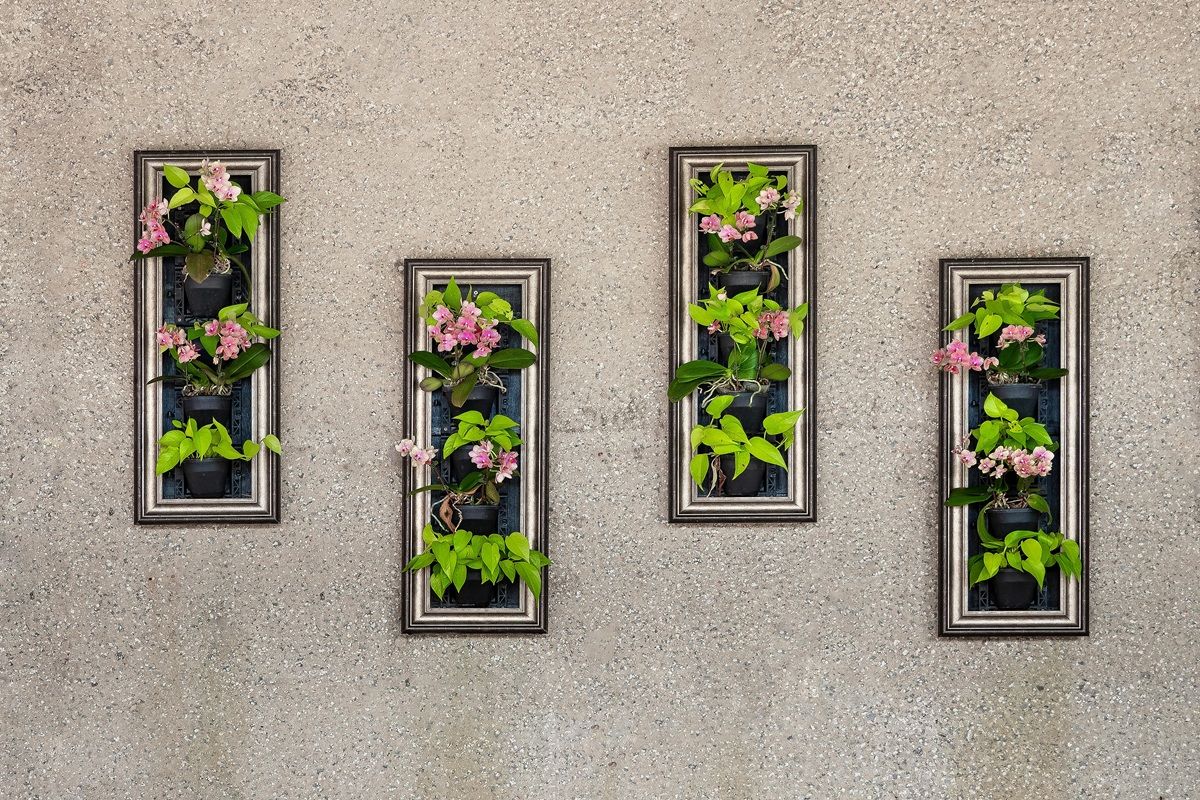
A plant wall is a structure that is made up of living plants growing vertically on a wall or other vertical surface. Basically, it's like having a mini jungle on your wall.
However, if the term "plant walls" doesn't ring a bell, you might be familiar with its other names such as vertical gardens, green walls, living walls, edible walls, or eco-walls.
These living tapestries are a creative and innovative way to bring nature into urban environments, both indoors and outdoors, where space for traditional in-ground gardens might be limited. Speaking of space, you can build them in any size you want. And, their design is only limited by your imagination.
What Is Indoor Plant Walls?
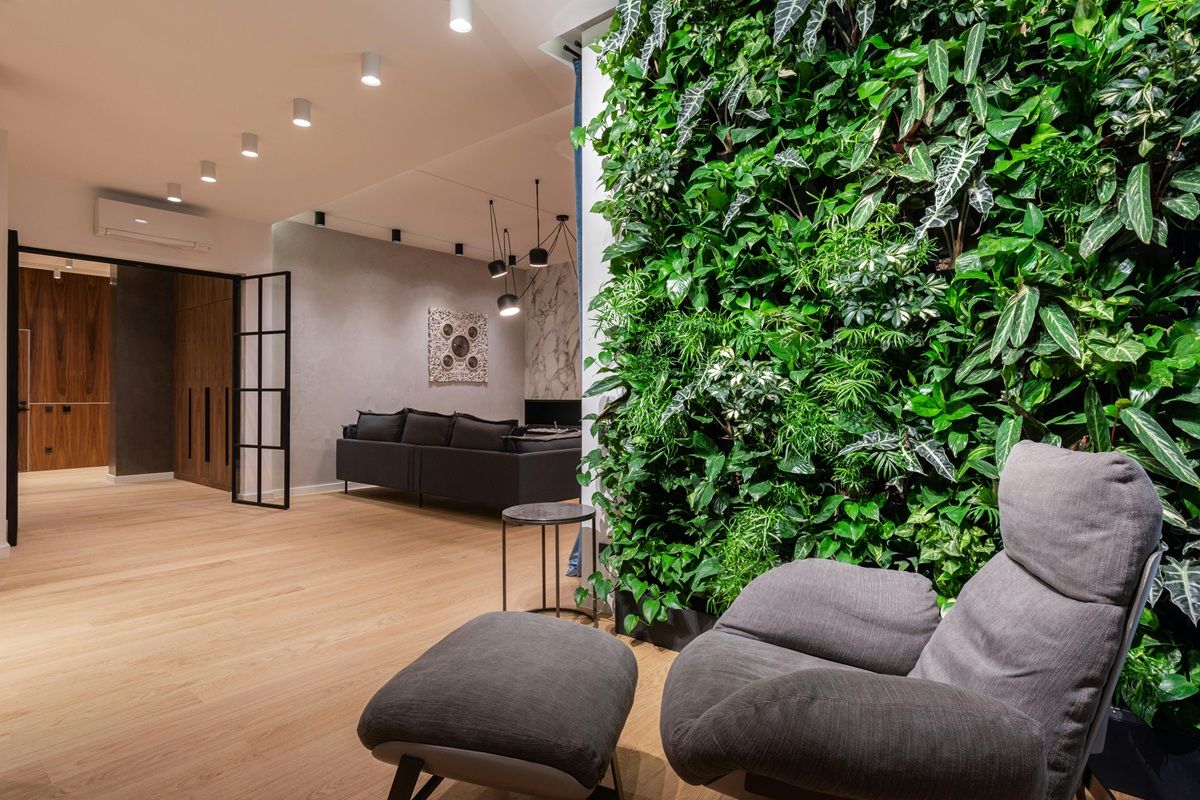
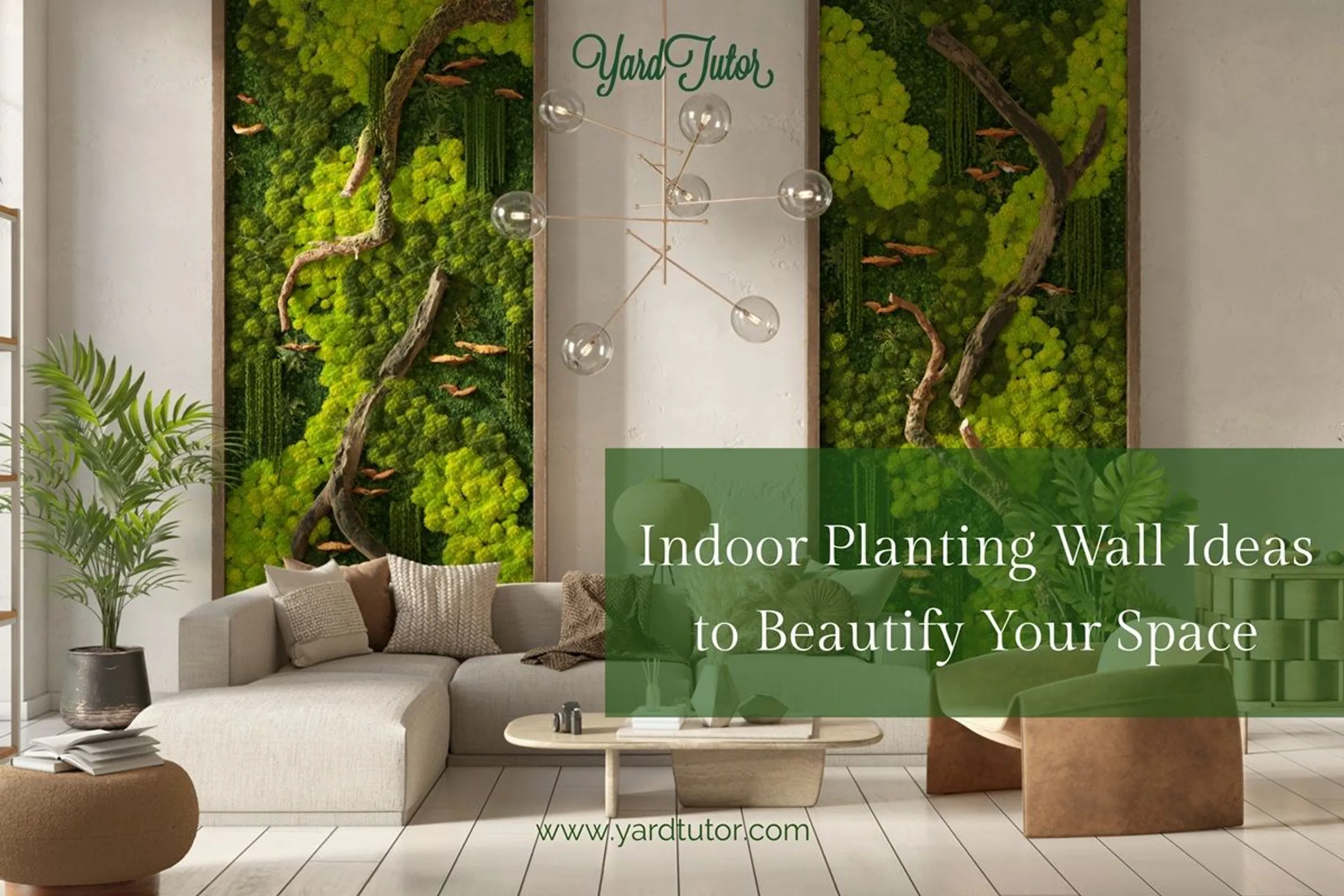
Indoor plant walls are exactly what they sound like – walls covered with plants, but indoors! And, that's not the only thing that makes them different from outdoor plant walls. Obviously, the main difference is the environment they're in.
Indoor plant walls are designed to thrive in controlled indoor environments, as they’re not exposed to natural elements like sunlight, rain, or wind. That’s why they need regular watering as well as monitoring of light and humidity levels to ensure the plants stay strong and healthy.
Now, when it comes to aesthetics, indoor plant walls can add a pop of color to your home or office. But unlike outdoor plant walls, which have a more wild jungly look, indoor ones are usually designed in accordance with indoor décor.
Benefits of Having a Live Wall
Living walls, indoors or out, offer numerous benefits beyond aesthetics, including:
- Cleaner Air: Live walls help filter and purify the air by absorbing toxins and releasing oxygen.
- Noise Reduction: They absorb sound, can reduce background noise by 15 decibels.
- Health Benefits: Being near plants promotes physical and mental well-being, including lowering stress, boosting focus, lifting mood, and helping with heart problems.
- Temperature Regulation: They also act as natural insulators, helping to cool in summer and insulate in winter.
- Biodiversity: Outdoor live walls can attract birds, butterflies, and beneficial insects, promoting biodiversity.
Types of Plant Walls
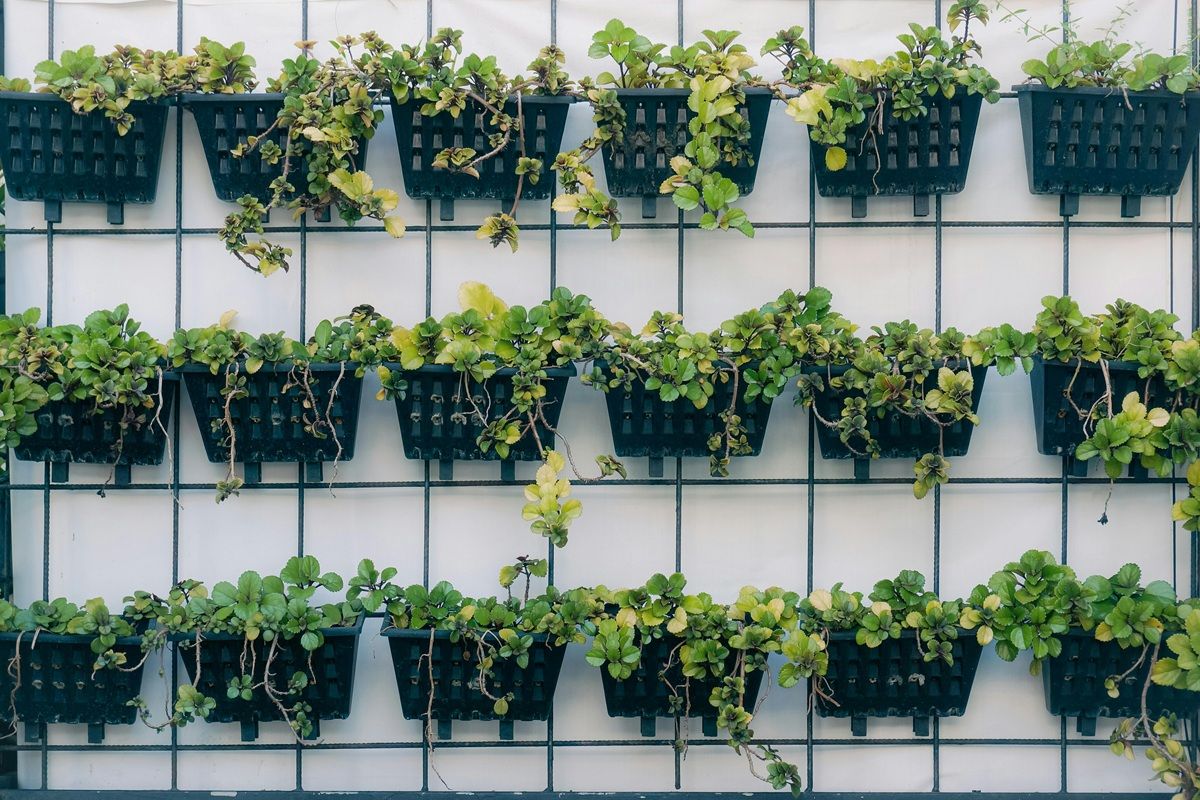
Depending on who you ask, the answer will vary. Some categorize them based on the kinds of plants grown on them, while others categorize them based on the way they're built. Here’s a quick view of them:
- Moss Walls: These are walls covered in preserved moss, giving a natural and soothing vibe.
- Green Façades: These are like vertical gardens on building exteriors. Mainly vines and climbing plants are used to cover the walls.
- Panel Systems: Plants are pre-planted on wall panels and installed on building walls using a support structure.
- Felt Systems: Plants are grown in felt pockets that contain growing mediums. Plastic pipes run through walls to keep the felt moist.
- Trellis Systems: Container-grown plants are helped to climb up the trellis on the wall. It resembles green façades but potted plants are used.
Factors to Consider Before Getting a Plant Wall
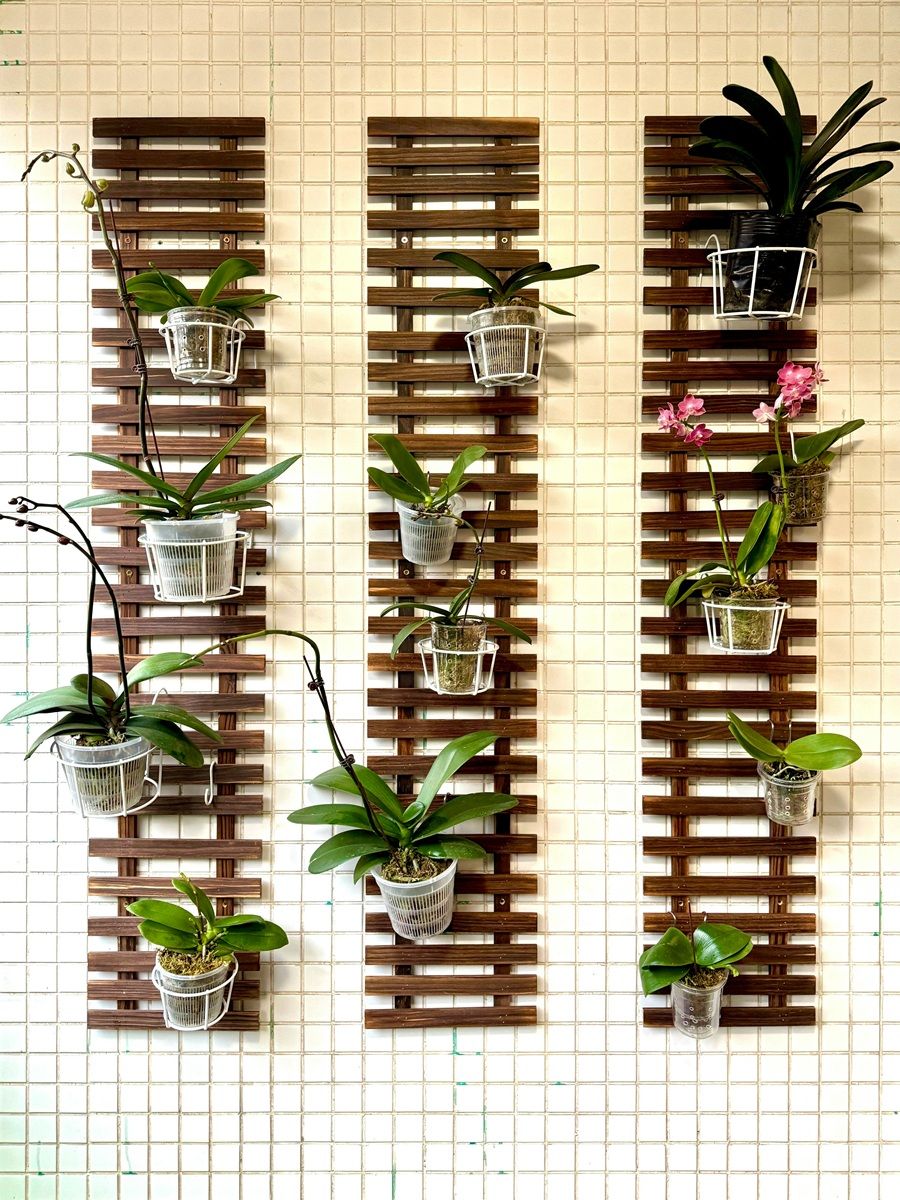
Before turning your wall into a lush oasis, here are a few factors you should take into account:
- Space availability: Take a look at where you plan to put your plant wall. Indoor or outdoor? Make sure there's enough room for the plants to flourish.
- Choice of plants: Next, think about the types of wall plants that will suit your chosen location. If you’re building an indoor plant wall, get low-light plants like Peace Lily or Wedding Vine. For outdoor walls, sun-hungry plants are fine.
- Protecting wall from damage: Whether it's an indoor or outdoor wall, consider ways to protect it from potential water damage or wear and tear. You may need tarps to protect outdoor walls from rough weather.
- Maintenance needs: Maintenance requirements will vary depending on the plants you choose and the environment. Determine if you have the time and resources to care for the plants and the wall. You’ll need to water, prune, fertilize, and monitor for pests regularly.
- Budget considerations: Plan your budget upfront. Remember, prices will vary depending on wall size, complexity, and plant choice. Also, factor in initial cost and maintenance costs.
Conclusion
Building a plant wall is more than just sticking some plants on a wall. Think of it like making a mini ecosystem on your wall. So, it's super important to really think about the maintenance needs, plant types, and your budget to ensure the success and longevity of these living murals.