6 Most Common Indoor Plant Bugs: Identification, Control And Prevention
Discovering indoor plant bugs in their beloved houseplants may be the most disheartening thing for any plant lover. These pesky bugs can wreak havoc on your indoor greenery if left unchecked. Here's how to identify some common indoor plant bugs and prevent them.
Quick Summary
- This article covers how to identify, control, and prevent the most common indoor plant bugs to keep your houseplants healthy.
- The six most common pests for indoor plants are spider mites, aphids, mealybugs, fungus gnats, scale insects, and whiteflies.
- These pests can damage indoor plants by sucking sap, weakening growth, causing yellowing or wilting leaves.
- Regular plant checks, proper watering, and early pest control are essential to prevent serious infestations.
1. Spider Mites
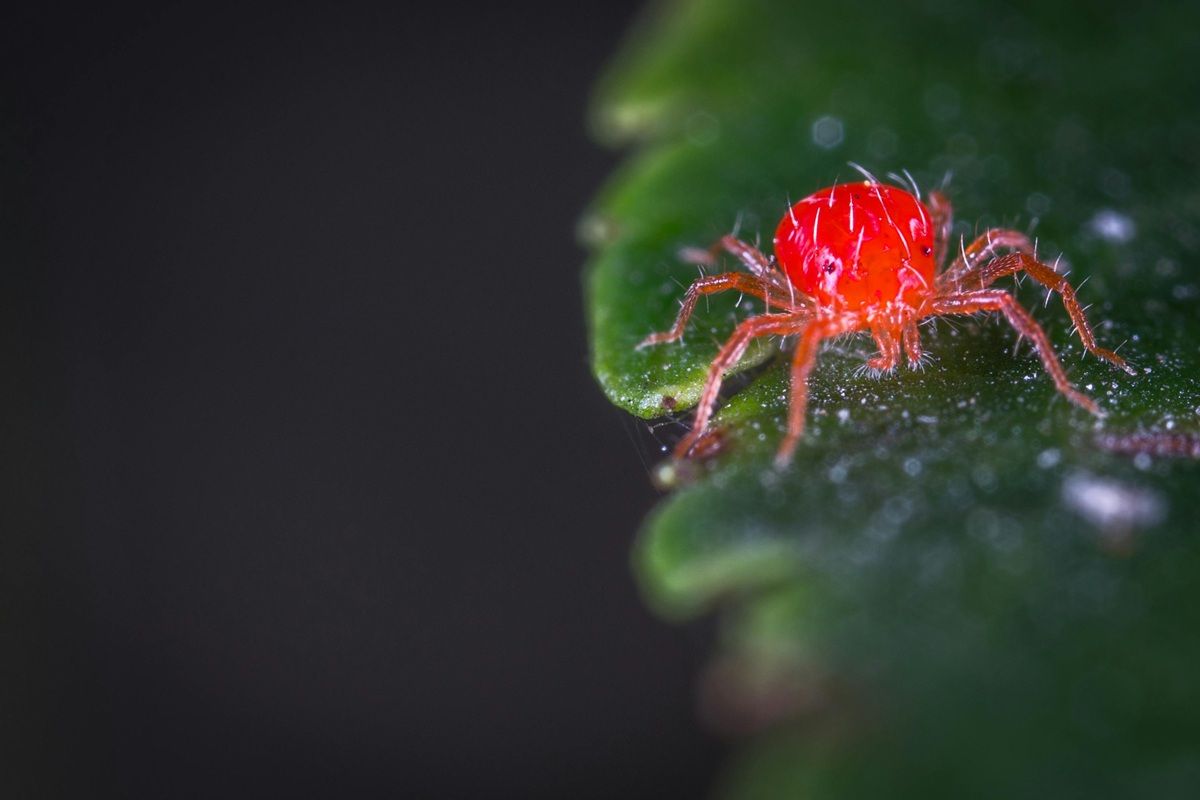
Spider mites, those nearly invisible arachnids, can be a menace to your indoor plants. They are tiny, often reddish-brown or green, and they feed on your plant's juices by piercing the leaves. You might notice these leaves insects once your plants show signs of distress.
Mostly found in
These indoor plant pests have a preference for delicate foliage. They're particularly active during warm, dry weather conditions, making them more common in summer.
How Dangerous
Spider mites are like tiny plant vampires. They reproduce faster than you can say "photosynthesis." They can quickly blanket your plant in delicate silk webs while they suck it dry. The result? A struggling, wilted plant that desperately needs your help.
Danger Rating: 4/5
How to remove safely
First, grab a trusty spray bottle and mix some water with mild soap. Give your plant a gentle shower, making sure to reach those sneaky critters on the undersides of the leaves, where they like to hide. Isolate any infested plants pronto to keep the mites from forming an empire.
How to prevent this bug from attacking your houseplants
Boost the humidity around your indoor plants by misting them regularly. Spider mites hate moisture, so this will make your plants less appealing.
Also, resist the urge to over-fertilize your green buddies, as an excess of nutrients can actually attract these little buggers.
Remember to make routine plant inspections part of your plant parent duties. Catching this leaves insect, spider mite, earlier can save your plants a lot of stress.
2. Aphids
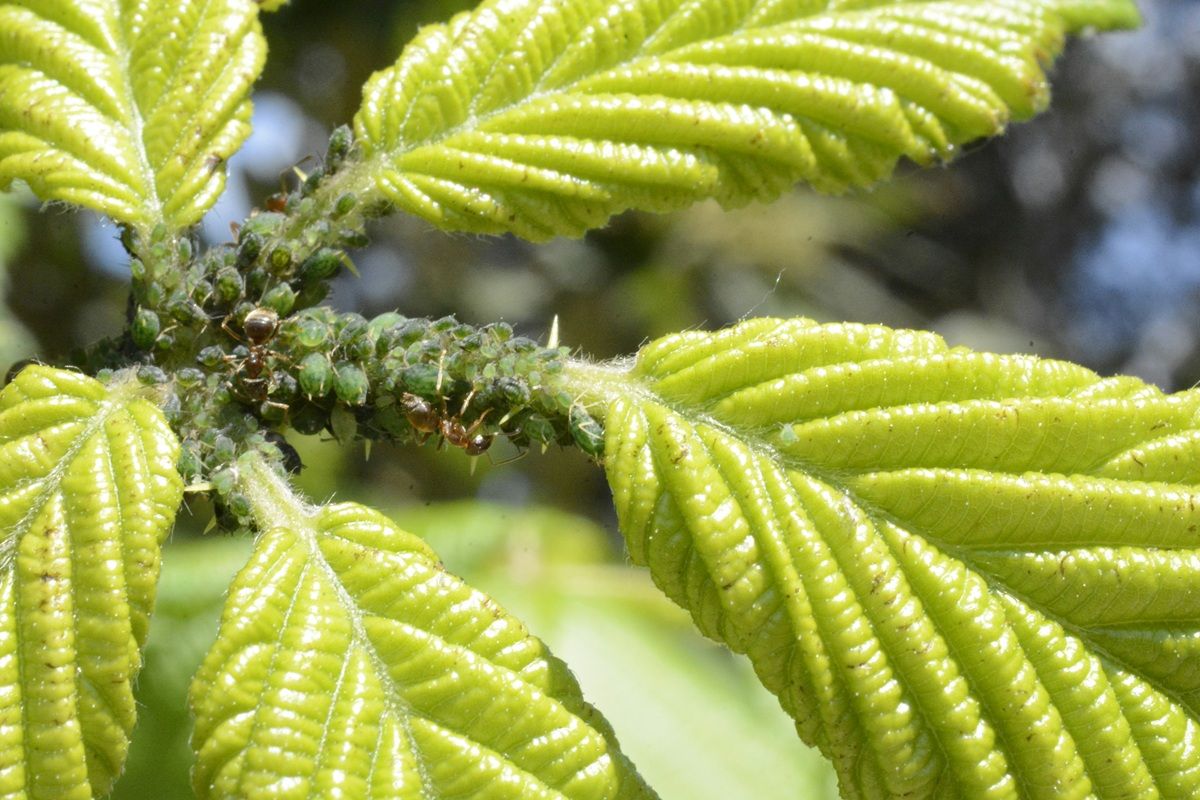
Aphids are kind of soft-bodied green houseplant bugs. They have a peculiar appetite for your plant's sap. When they feast on the fluid, your plant can show signs of distress, like yellowing, curling, and wilting leaves.
Mostly found in
You'll find aphids on various indoor plants, particularly those with tender, new growth. These tiny sap-suckers tend to make their appearance more frequently in warmer weather.
Aphids are less picky about humidity levels than other houseplant pests. So, whether you're in a humid or dry climate, if you have indoor plants, you're susceptible to aphid visitors.
How Dangerous are aphids?
These houseplant bugs, while troublesome, aren't as destructive as some of their pest peers. They can weaken your plants and transmit diseases. But they're not quite in the same league as the plant predators we've rated higher.
Danger Rating: 3/5
How to remove aphids safely?
Grab your garden hose and give your plant's leaves a good wash. It will dislodge these aphids. Another option is to apply insecticidal soap to the affected areas to show them who's the boss.
How to prevent aphids from attacking your houseplants?
To keep your indoor garden aphid-free, keep a watchful eye on your plants for any aphid colonies. You can also introduce some natural allies like ladybugs. They have a voracious appetite for aphids and can help keep their populations in check.
3. Mealybugs
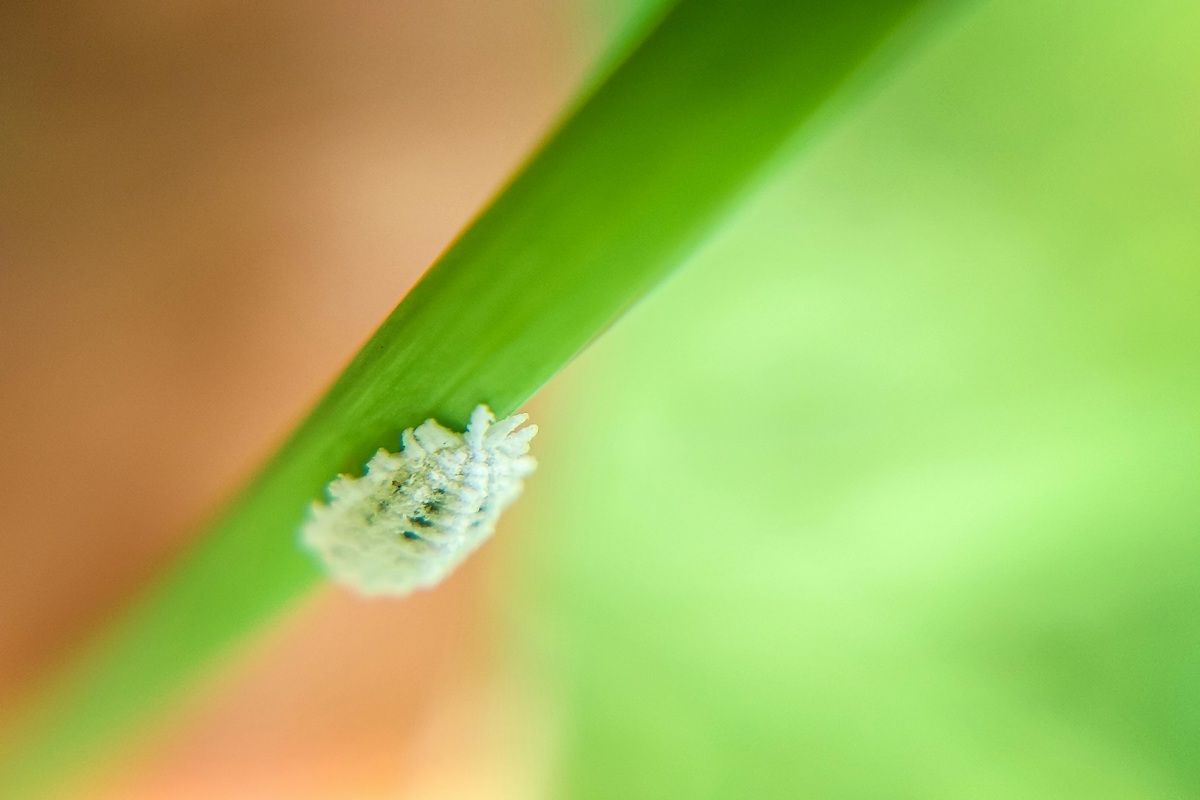
Another among the common houseplant pests are Mealybugs. They are notorious bugs in plants and are not the tidiest guests. Mealybugs are often covered in a waxy, cotton-like substance, making them easy to spot when they gather on your plants.
They dine on your plant's sap and leave behind a sticky honeydew.
Mostly found in
Mealybugs have a particular fondness for indoor plants with dense foliage, providing plenty of hiding spots. These houseplant bugs thrive in moderate temperatures and high humidity.
As for where you'll find them, well, they don't discriminate much. They can camp on various indoor plants, including Orchids, Ferns, Ficus, etc.
How Dangerous are mealybugs?
Mealybugs are not the kind of guests you want around. They can cause significant harm by weakening your plants and promoting mold growth. They also reproduce alarmingly, quickly establishing a formidable army if left unchecked.
Danger Rating: 4/5
How to safely remove mealybugs?
When it's time to bid farewell to mealybugs, grab a cotton swab or a small brush dipped in rubbing alcohol or neem oil. Gently dab at the mealybugs to dislodge them. Be sure to isolate heavily infested plants to prevent the spread of these pesky critters.
How to prevent mealybugs from attacking your houseplants?
Preventing mealybug infestations begins with vigilance. Regularly inspect your indoor plants, especially those with soft, lush foliage. Quarantine new plant additions before introducing them to your existing collection.
4. Fungus Gnats
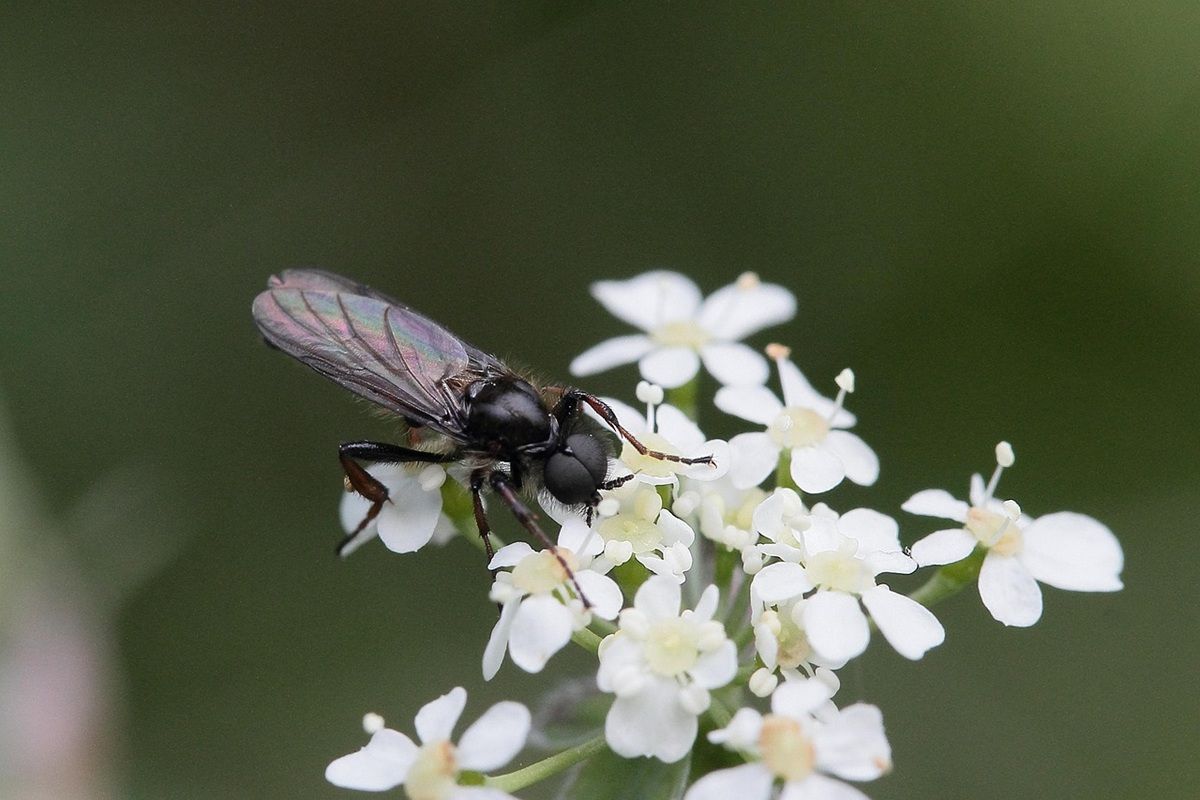
Fungus gnats are small, gray, or dark brown flies that resemble tiny mosquitoes. They can be a persistent nuisance for your indoor plants. Their larvae are the real troublemakers as they reside in the soil and feast on your plant's delicate roots.
Mostly found in
These gnats are often found in indoor plants with damp soil. These little critters thrive in humid conditions, making them more prevalent in indoor environments with elevated moisture levels.
As for where they strike, it's about more than the type of indoor plant but more about the soil conditions. So, if you tend to keep your indoor plants' soil consistently damp, you may inadvertently invite fungus gnats to the party.
How Dangerous are fungus gnats?
While fungus gnats might not directly harm your plants in the same way as some other pests, their larvae can be annoying. These little wrigglers feed on your plant's roots, which can lead to stunted growth over time.
Danger Rating: 2/5
How to remove safely
If you spot fungus gnats or their larvae in your soil, it's time to take action immediately. To discourage larvae development, allow the soil around your plants to dry out between waterings. Additionally, you can use yellow sticky traps placed near your plants to catch the adult gnats.
How to prevent this bug from attacking your houseplants
Preventing these houseplant pests starts with proper watering practices. Avoid overwatering your plants; soggy soil is an open invitation for these critters. Ensure that your indoor plant pots have good drainage.
When repotting your plants, use a sterile potting mix. Doing so, you won't introduce fungus gnat larvae and new soil.
5. Scale Insects
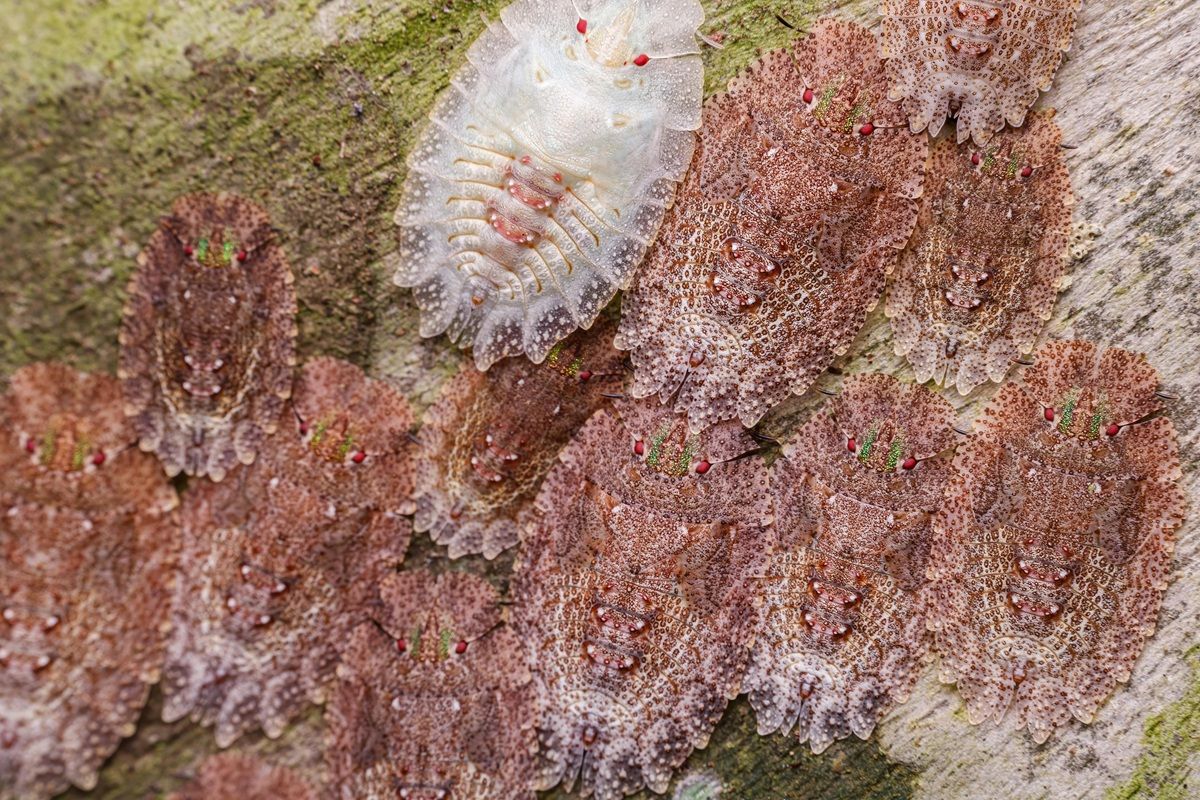
Scale insects, those tiny, oval-shaped pests, may not look like much of a threat. But they can be relentless when it comes to investing in your indoor plants. These sneaky bugs attach themselves to stems and leaves of plants, often appearing as small raised bumps.
Mostly found in
Scale insects can infest various indoor plants, which are more common in dry indoor environments. They're less picky about specific plant types and more focused on the conditions they thrive in, which often include indoor spaces with low humidity.
These houseplant pests tend to settle on the stems, leaves, and even the undersides of leaves, which makes them less visible.
How Dangerous
Scale bugs feed by siphoning off plant sap. It can lead to stunted growth and leaf yellowing. If left unchecked, they can multiply quickly, causing severe damage to your indoor greenery.
Danger Rating: 4/5
How to remove scale bugs safely?
Take a cotton swab or soft brush ducked in rubbing alcohol. Gently brush or dab the affected areas to remove individual scale insects.
For severe infestations, consider pruning the affected plant parts. Isolating heavily infested plants can also prevent the pests from spreading.
How to prevent scale bug from attacking your houseplants
Regularly inspect house plants, especially those that attract these pests due to low humidity. Introducing a humidifier to boost the moisture levels in indoor spaces can discourage them from taking up residence.
Quarantine new plant additions for a period before placing them near your existing plants.
6. Whiteflies
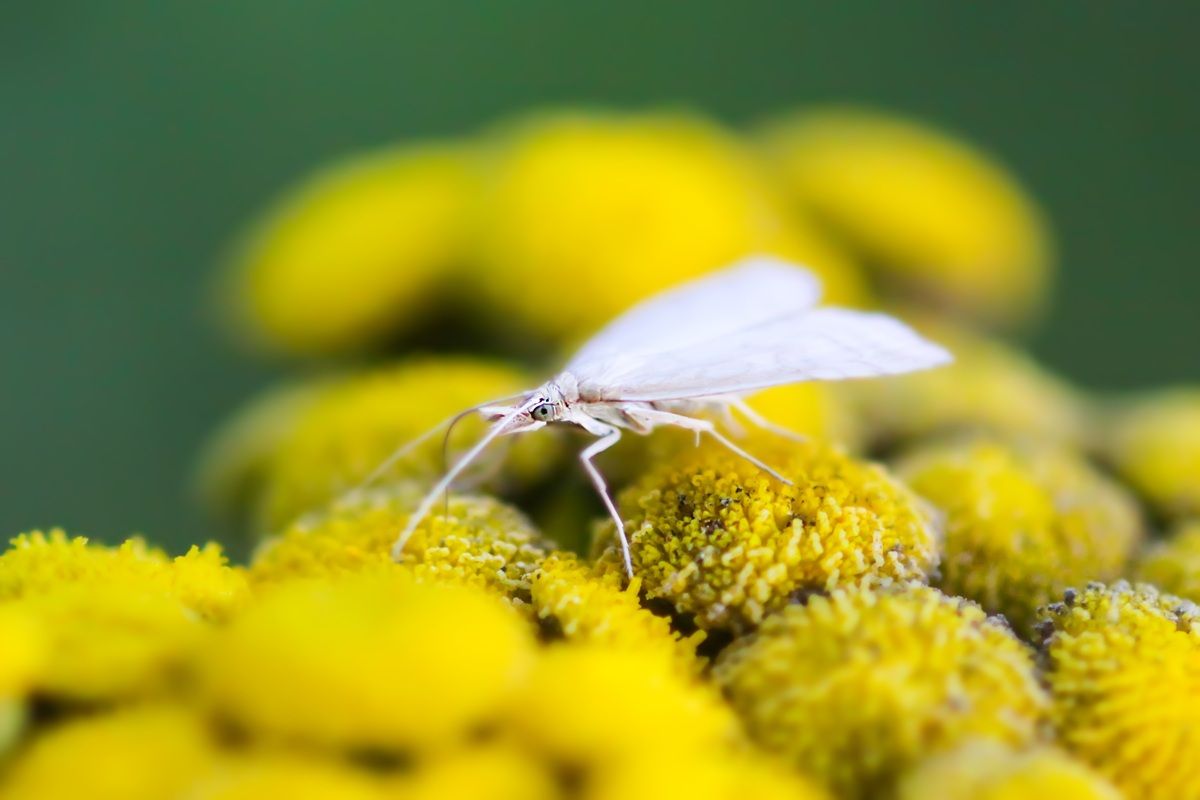
Whiteflies are small, white, moth-like insects that might appear harmless at first glance. However, they can become a persistent nuisance for your indoor plants.
These tiny insects cluster on the undersides of plant leaves, sapping the plant's vitality by feeding on its sap, ultimately leading to yellowing and curling of leaves.
Mostly found in
Whiteflies have a broad taste in their choice of indoor plants. They can infest various indoor plants.
These plant pests are more common in warm and humid conditions. As for their preferred hiding spots, these bugs on plants tend to gather under the leaves.
How Dangerous
While whiteflies aren't as destructive as other indoor plant pests, they can weaken your plants over time. Their feeding habits can cause leaves to yellow and curl, affecting your indoor garden's overall health and appearance.
Danger Rating: 3/5
How to remove safely
You can eliminate whiteflies from your plant's leaves gently by vacuuming them up. Alternatively, you can apply insecticidal soap to the affected areas as needed.
How to prevent this bug from attacking your houseplants
Preventing whitefly infestations begins with maintaining good airflow around your indoor plants. Adequate spacing between your plants can help reduce the risk of whitefly colonies forming.
Check the undersides of leaves regularly for the presence of whiteflies and take action accordingly.
Additionally, consider installing yellow sticky traps near your plants to capture adult whiteflies and prevent them from laying eggs.
Conclusion
Bugs on plants can be a hassle. But with a little knowledge and tender loving care, you can manage them. Remember to identify house plants bugs through regular inspection, choose the proper control method, and give your leafy companions a bug-free life.