Factors to Consider Before Starting a Hydroponic Garden
Introduction
Hydroponic gardening is an innovative method of growing plants. Day by day it is becoming more popular among urban farmers and garden enthusiasts. And, it's not without any reason.
Hydroponics is a unique approach to gardening that allows you to grow plants in a soil-free environment while using less water and space and yielding a larger harvest than traditional methods.
Key Takeaways
- Hydroponic gardening allows you to grow plants without soil while using less water and space.
- Choose the right hydroponic system based on your experience, available space, plant types, and budget.
- Ensure adequate lighting, proper temperature control, clean water, and good air circulation for healthy plant growth.
- Use a balanced nutrient solution suited to your plants and gather the necessary equipment before starting.
- Beginners should start with easy-to-grow, shallow-rooted plants and a simple system to make hydroponic gardening easier to manage.
Consider These Before Starting Your Hydroponic Garden
Setting up a hydroponic garden is not an easy task. Before you jump headfirst into setting up one, there are some key factors you should consider to ensure a successful and enjoyable gardening experience. From the method of gardening to temperature, location, plant type many element influence the success of your hydroponic gardening. Let's go over how they can influence your decisions.
1. Hydroponic Systems
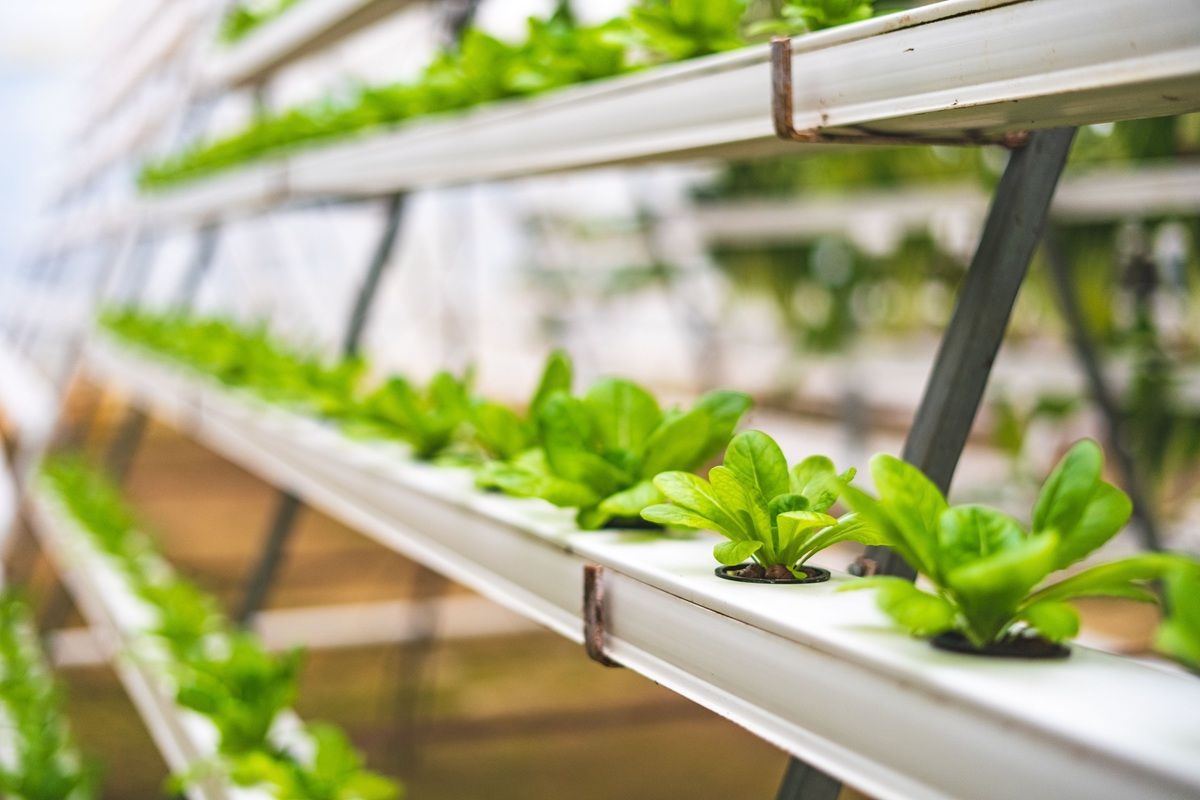
Before anything, you need to figure out which hydroponic system is best for you. This is crucial because the methods you choose will have an impact on the health and growth of your plants, the effectiveness and production of your garden, and the cost.
There are six main methods, each with its own set of advantages and disadvantages:
- Wick system – This is the simplest hydroponic method. This method involves setting up a wick made of soft fabric to absorb water and nutrients from the provided nutrient solution. The wick then transfers these essential elements to your plants.
It is perfect if you have a tight budget and are looking for an inexpensive option. However, you can only plant smaller plants in this system. - Deep Water Culture (DWC) system – This technique involves placing the plant right into a nutrition solution. As a result, plants grown in this system grow faster than those planted in soil.
However, setting up a DWC hydroponic system is quite difficult and expensive.l - Drip System – This system delivers the nutrient solution to plant roots in controlled amounts and intervals via a network of tubes and emitters. This method ensures water and nutrient efficiency while reducing the amount of manual labor required; however, it is best for large-scale farms rather than homemade hydroponic gardens.
- Ebb and Flow System – This technique involves flooding your potted plants partially with the growing solution and draining them at a later time. This technique enables effective nutrient uptake and ventilation at set intervals.
Some expertise is necessary since if the system is not regulated or set correctly, it could saturate or completely dry up your plants. - Nutrient Film Technology – This method works by allowing a thin film of nutrient-rich water to flow continuously over the roots of the plants. This system requires minimal upkeep; but, a power outage can have disastrous consequences for the entire garden.
- Aeroponics – In this method, the roots of the plants are suspended in the air and misted with nutrient-rich water. Although this system yields high-quality produce, it comes with a relatively steep setup cost.
2. Location and Space
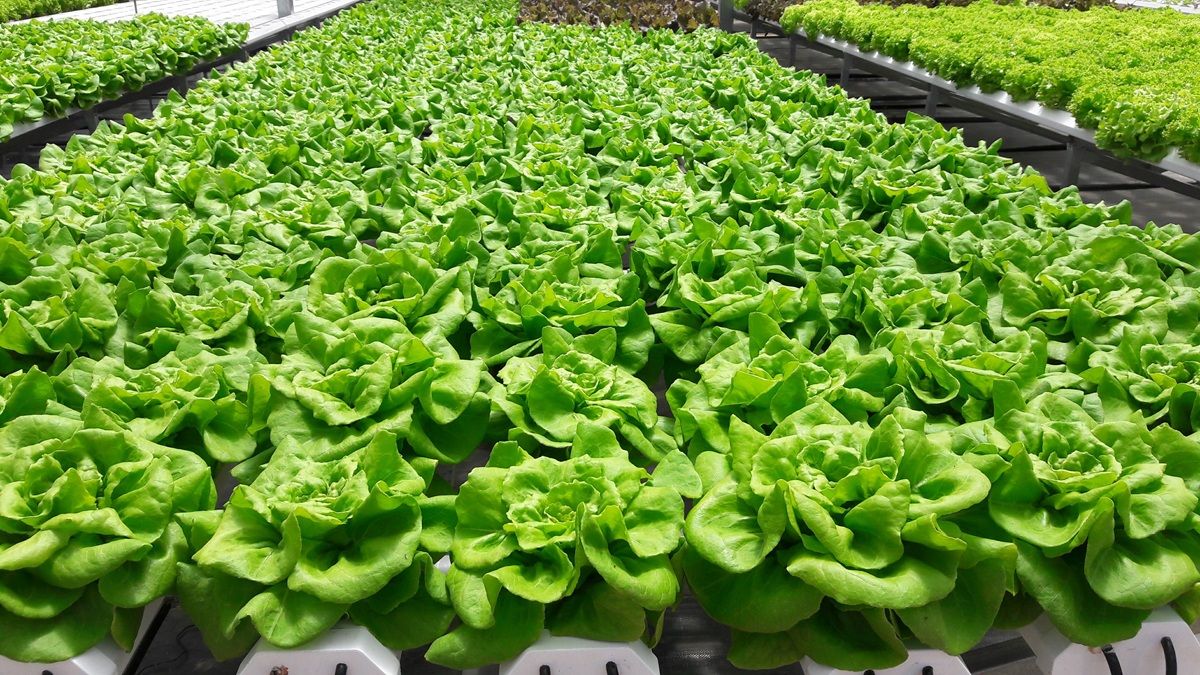
You’ll also have to consider where you want to place your garden and how much space you can spare for it. If you don't have much space, you should consider building a small hydroponic garden with the wick system. But If you are going for a large garden, you should look into other methods.
The chosen location should have sufficient light, air circulation, and ways to control temperature. The garden area should also be easily accessible to make it simpler to care for and harvest your plants.
3. Lighting
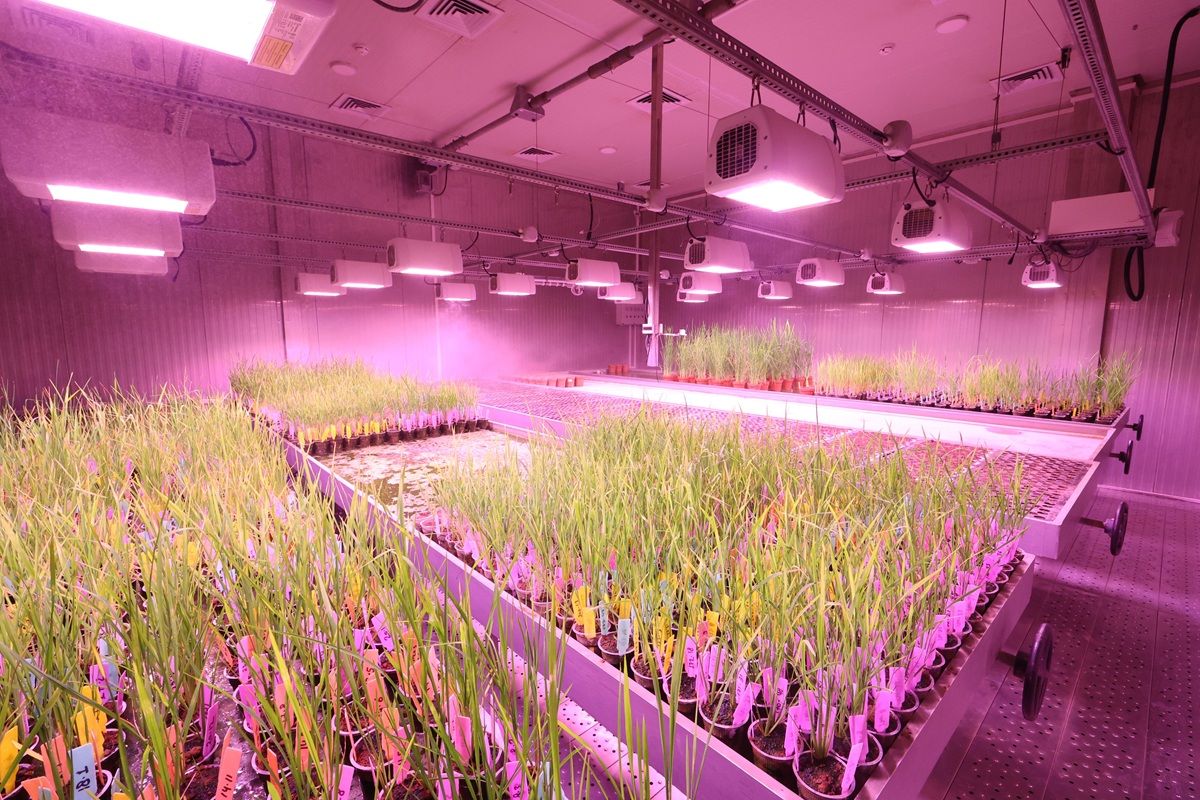
Lighting is another essential factor to consider when starting a hydroponic garden. If you are setting up the garden outdoors, your plants will need at least 6 hours of direct sunlight every day, while 8 to 10 hours is preferred.
If you are setting the garden indoors, you should provide a minimum of 14 to 16 hours of artificial light, backed by 10 to 12 hours of darkness, each day. Keep in mind that different plants require different amounts and intensities of light, so do some research and calculation before setting up a lighting system.
There are numerous types of lighting available for indoor hydroponic gardening, and the one you choose will affect plant growth, yield, and quality. LEDs, High-Intensity Discharge (HID) lights, High-Pressure Sodium (HPS) bulbs, Compact Fluorescent Lights (CFL), Metal Halide (MH) bulbs, etc. are examples of commonly used hydroponic lighting.
4. Nutrient Solution
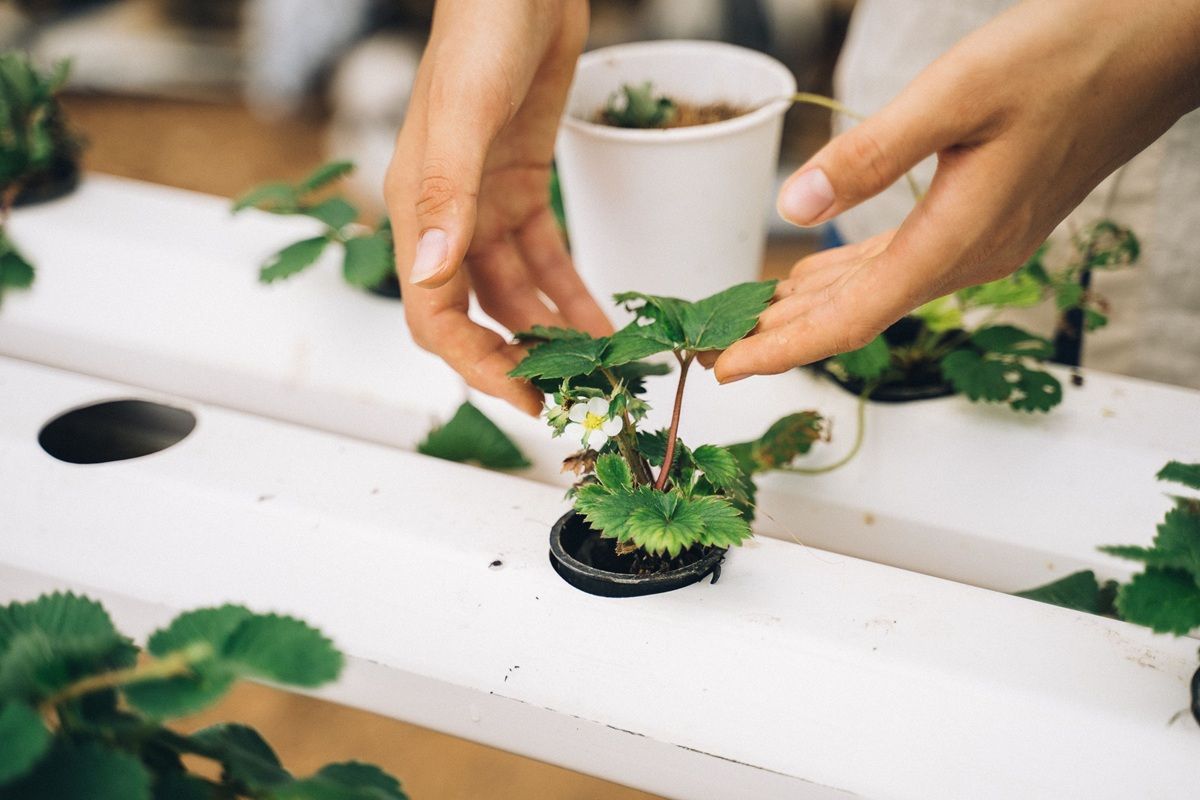
You should take nutrient solutions into serious consideration as well. Plants grown hydroponically require a balanced nutrient solution that contains all the necessary macronutrients and micronutrients required for growth. Note that these nutrient solutions differ vastly from standard garden fertilizers.
These solutions come in both liquid and solid formulations. Different solutions are designed specifically for different plants. You should choose the solution that is best suited for your plants. Carefully read the instructions on the packaging to learn how much of the solution you should use.
When you are growing plants traditionally, you can depend partly on the soil to provide nutrients. But in case of growing hydroponics you need to be cautious about providing nutrients to your plants. This is one of the main difference between traditional gardening and hydroponic gardening.
5. Plant Types
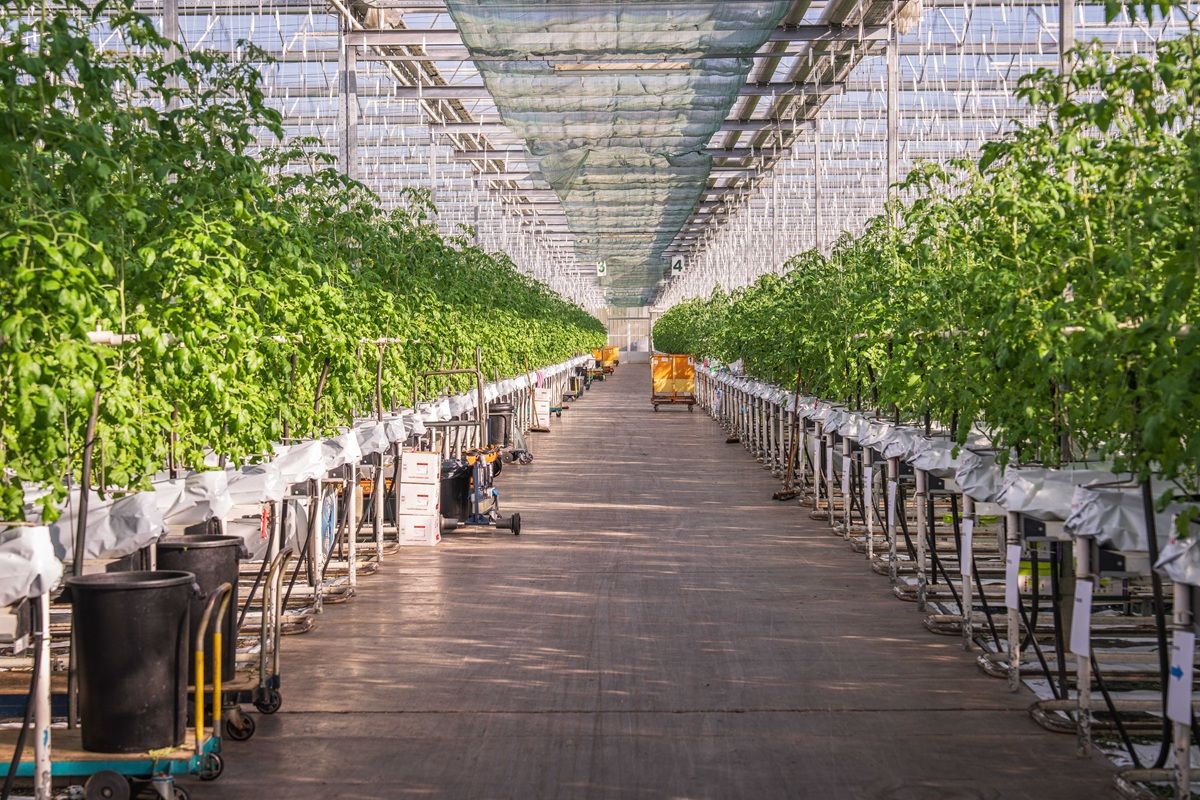
Hydroponics can be used to cultivate a variety of plants such as vegetables, herbs, fruits, and even flowers. With this form of gardening, you can grow any type of plants you want, although it can be a little challenging depending on the system you are using. For instance, the wick method works best for small hydroponic gardens and is not cost-effective for commercial gardening.
Additionally, if you’re a beginner, it is best to grow shallow–rooted plants in your hydroponic garden. Because deep-rooted plants, like tomatoes and pumpkins, may need more complex hydroponic systems, which can be difficult to set up for newbies.
6. Cost or Budget
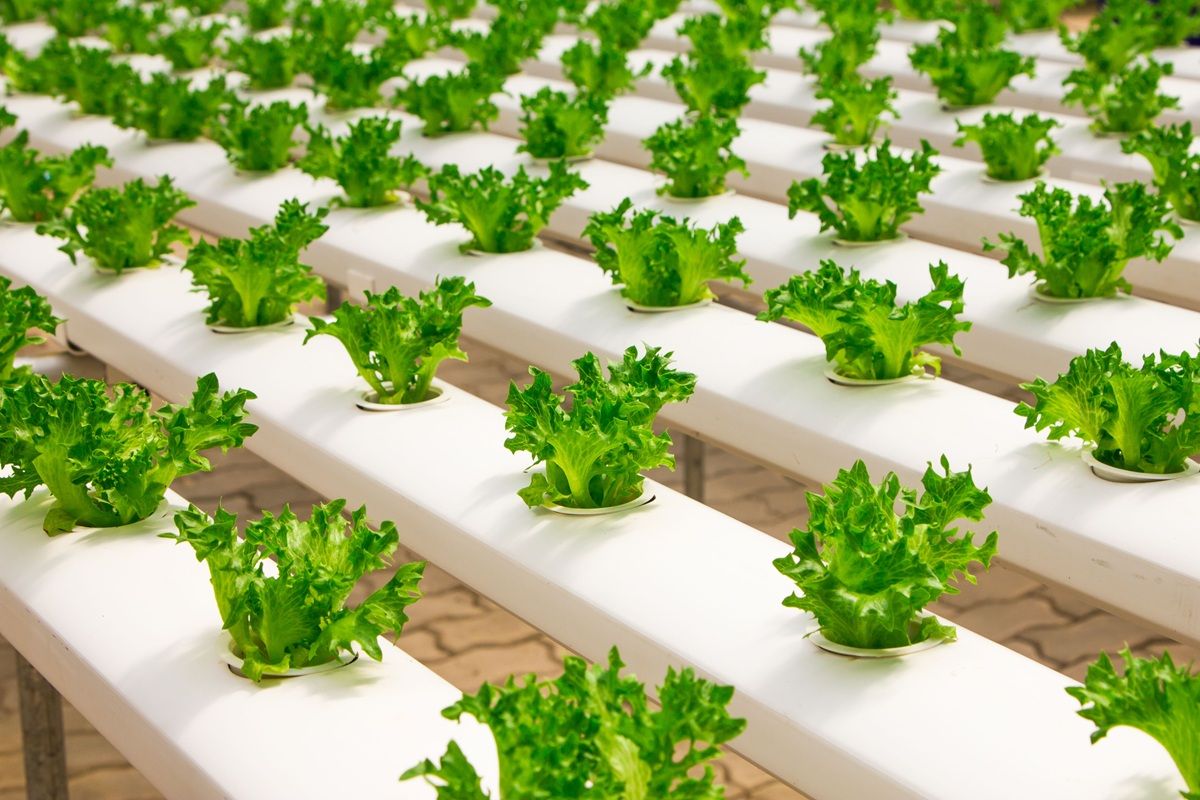
Hydroponics gardens aren’t cheap to build. And, the initial setup cost can scare away many beginners. However, the cost to build a hydroponic garden varies depending on the size of the garden, hydroponic system, lighting, tools required to construct and maintain the garden, growing medium, nutritional solutions, watering and drainage system, and electricity requirements.
Overall, the cost of creating a hydroponic garden can range from a few hundred dollars to thousands of dollars. So compare your budget with the coat and plan accordingly.
7. Equipment and Materials
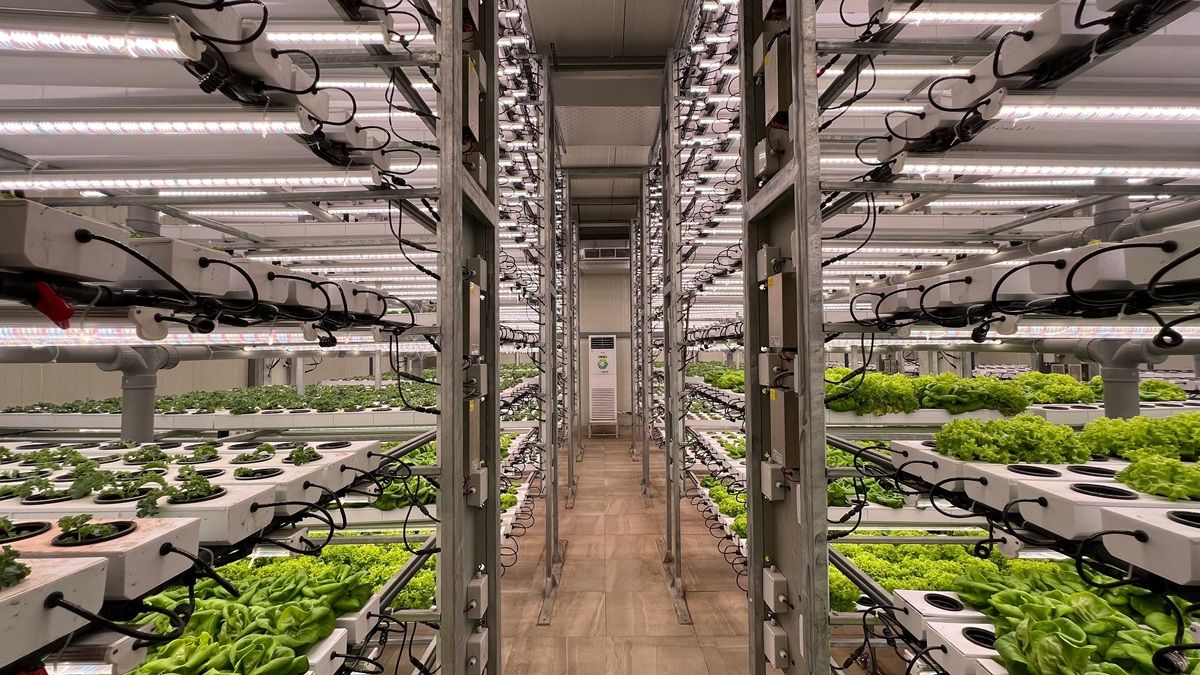
Building a hydroponic garden requires a lot of materials and equipment. The specific equipment and materials you will need may vary depending on the type of hydroponic system you choose to build and the plants you intend to grow. Nonetheless, the following is a list of some common materials and tools:
- Growing containers
- Growing medium
- Nutritional solution
- Up and down pH meters
- Water pump
- Tube
- Lights
- Seeds
- Trellis
- Temperature and humidity gauge
If you don't already have these, you will undoubtedly need to buy them.
8. Temperature Control
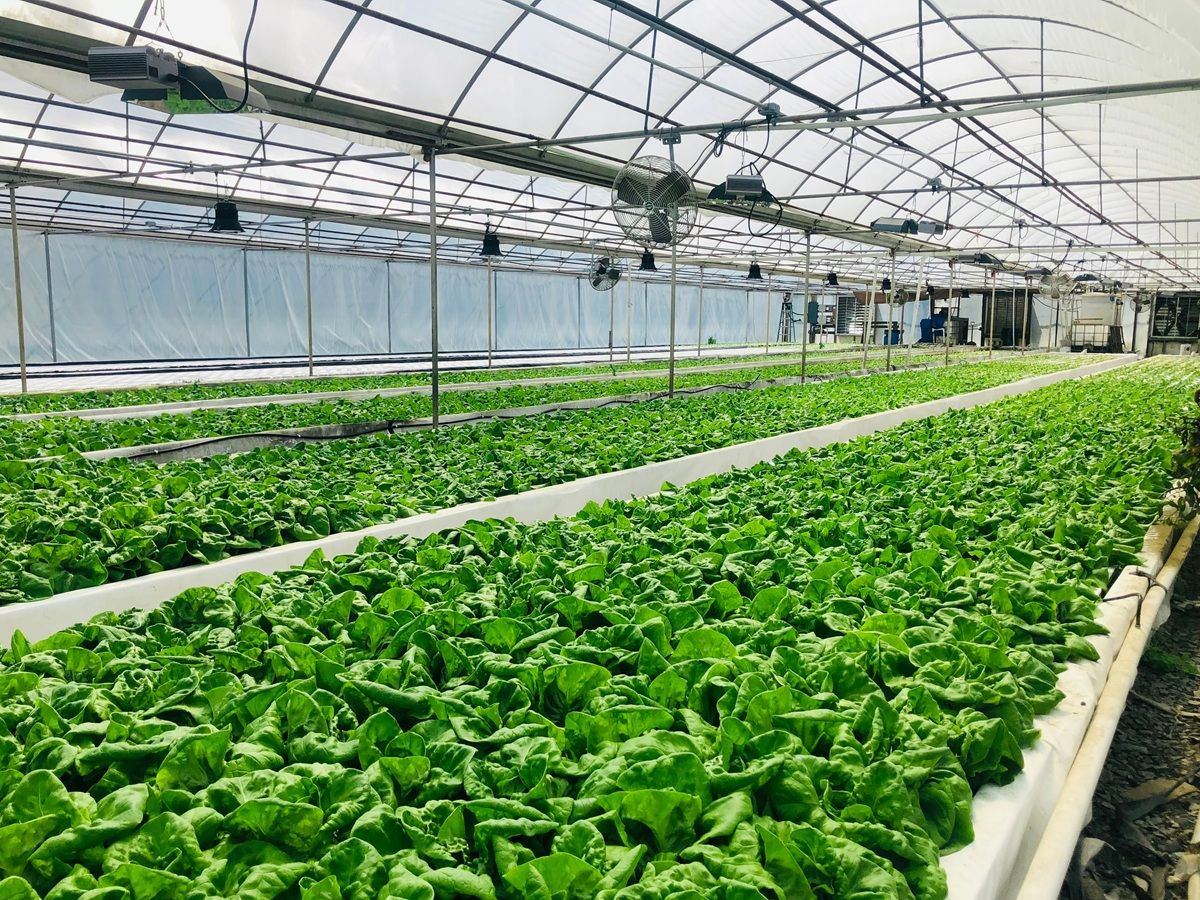
Temperature maintenance is another crucial factor you should consider. If you want to grow plants indoors, then you’ll have to control the room temperature, as hydroponic lighting can increase the temperature. This means you will have to install proper ventilation in the room. For winter, you may need to install a heater.
You’ll also have to control the temperature of the water and nutrient solution. The optimal water solution temperature for hydroponics is generally accepted to be between 65°F to 80°F or 18.3 °C to 26.6°C
9. Water
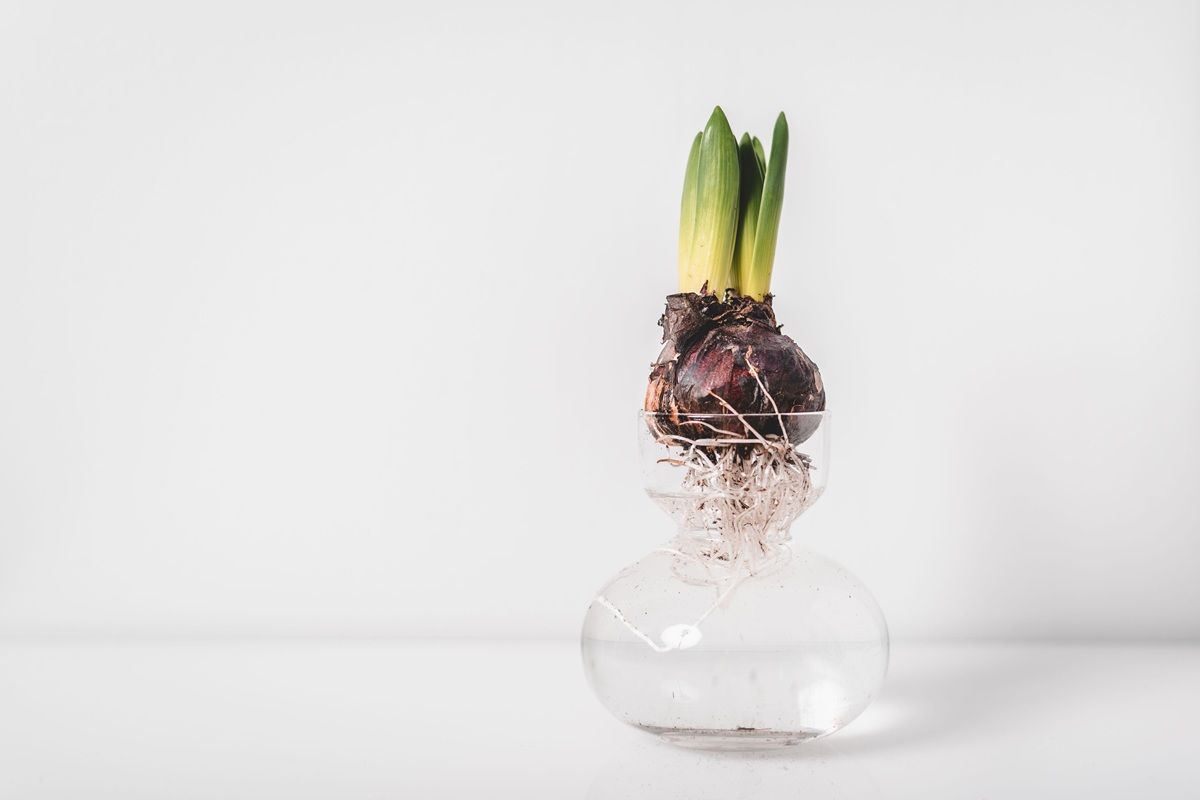
Last but not the least. Infact water is the most essential element of hydroponic gardening. It is used to feed nutrients to the plant. So, make sure that you have a steady supply of clean water and proper drainage.
Conclusion
Starting a hydroponic garden can be a fun experience. And, if you keep these important considerations in mind, the garden will reward you in the future with fresh produce. So go ahead and give hydroponic gardening a try!