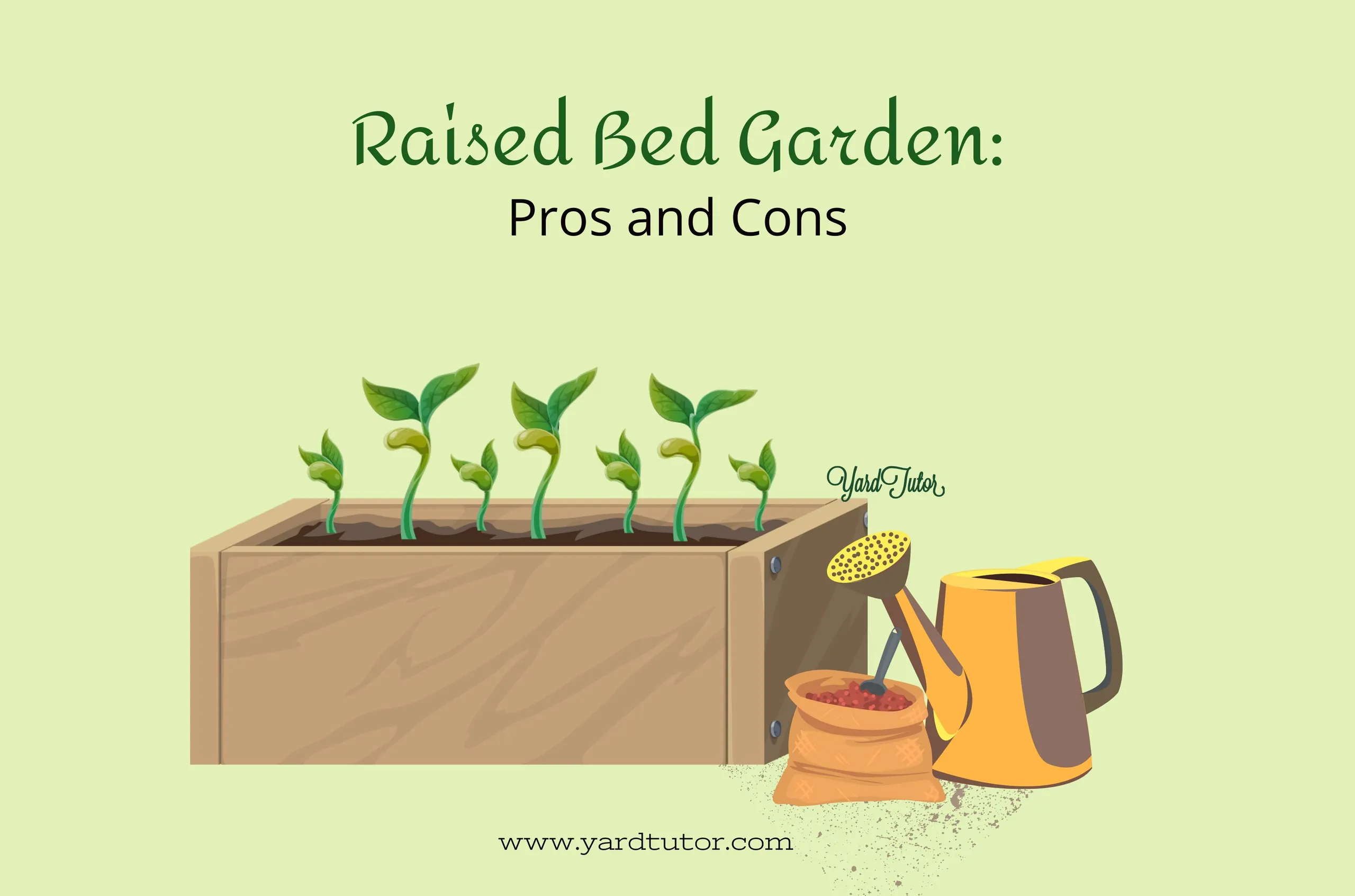
How to Start Raised Bed Gardening Part 2: Maintaining & Growing in Raised Beds
Building a raised bed garden is just the beginning! You need to look after your garden to keep it thriving! In part 1, we covered how you can start a raised bed garden by designing a layout, setting up the beds, and building them. Now, in part 2, we’ll go over soil mix, watering, plant support, what to plant, when to plant, and other helpful tips to keep your raised bed garden healthy and thriving. Let’s dive in!
Key Takeaways:
- Landscape fabric is essential in raised beds to prevent weed growth.
- Installing hardware cloth at the bottom of the bed keeps the pests out and helps with drainage.
- Sticking to a planting schedule based on the specific needs of the plants and seasonal weather conditions is best for this type of gardening.
- Regularly maintaining your garden by removing weeds, checking for pests, and practicing crop rotation will keep your plants healthy.
- Arranging plants by height will make harvesting easier and improve access to all plants.
Keeping an Eye on the Soil Quality
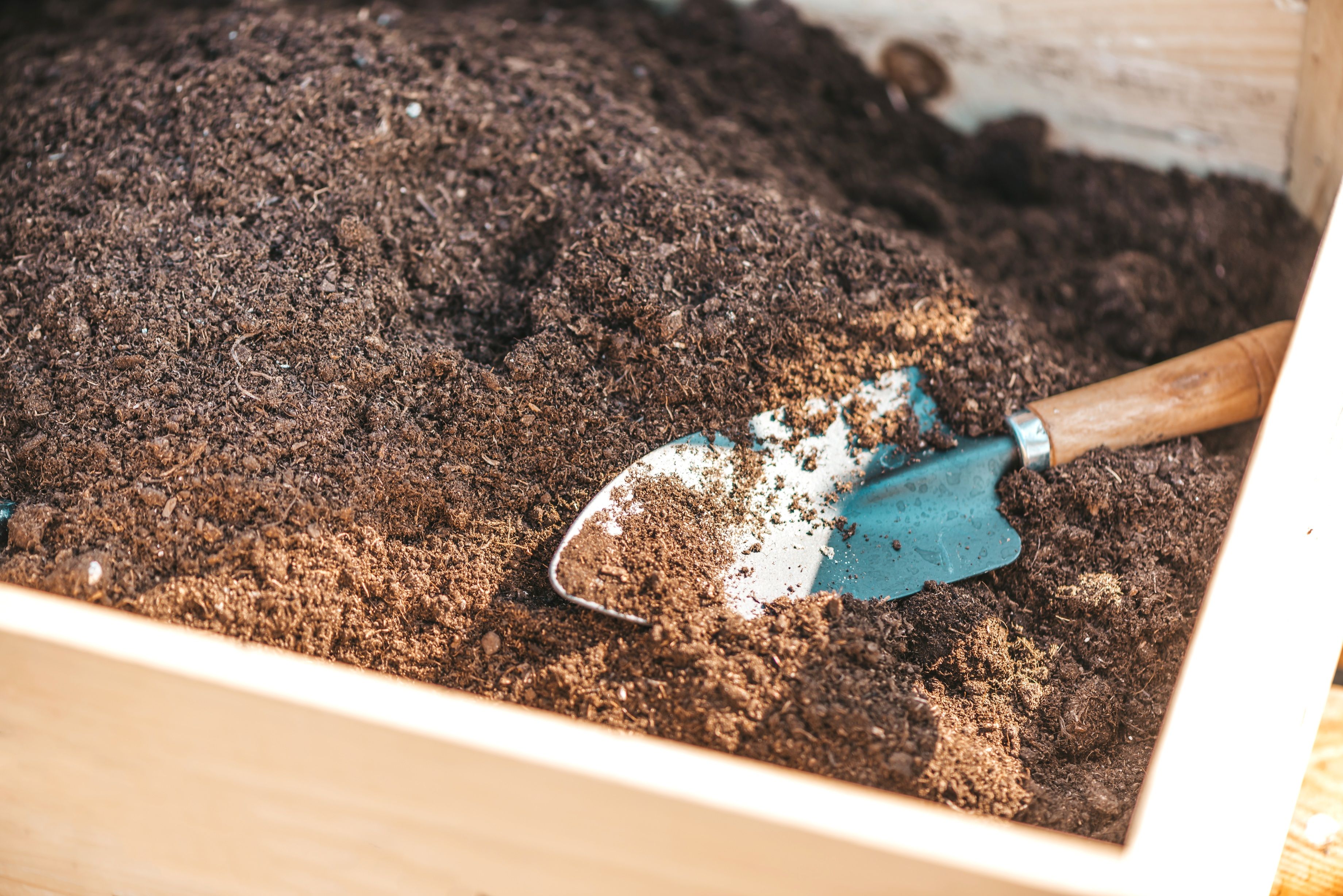
An enclosed raised bed garden's main benefit is that it enables you to grow plants in optimal garden soil. Growing raised bed garden plants will be difficult if the soil in your location is naturally rich in clay or sand. At the same time, it is feasible to just use the soil from your property for filling your beds. But it is recommended to use a customized garden soil mixture for better outcomes. You can use online tools such as Soil Calculator to find out how much bed soil and fertilizer are needed.
Get the Soil Mix Right
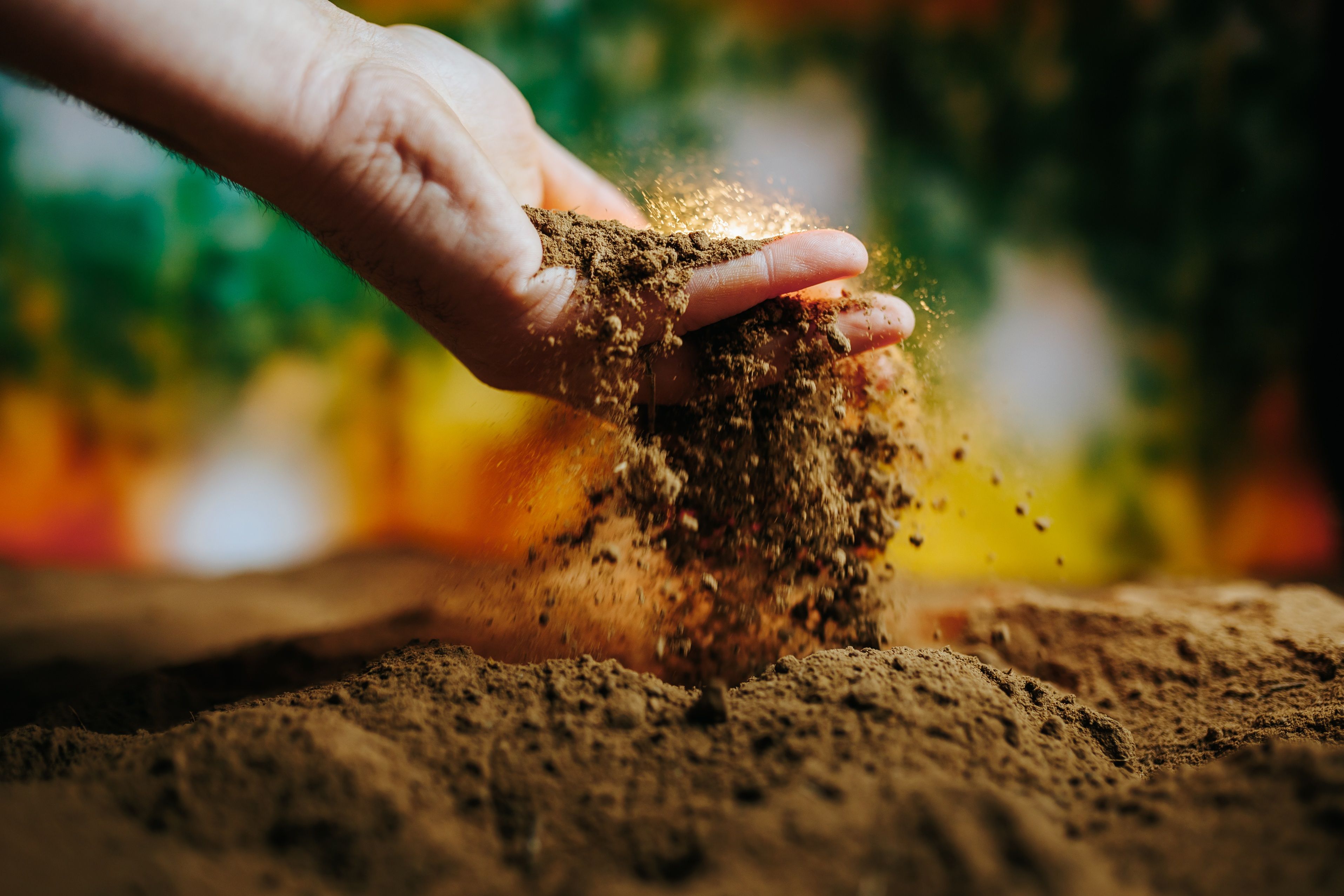
A fruitful garden depends on the quality of the garden soil. Mixing equal portions of topsoil, fertilizer, and fully decomposed dung is the popular DIY mixture. Nevertheless, it is recommended to mix two parts of high-quality topsoil with one part of compost and one part of the soilless substrate. You might also need to add fertilizer and peat moss, depending on what you're growing and the composition of the garden soil.
You can also fill your raised bed with garden soil sold in stores and specialized for use in growing raised bed garden plants. This can be quite expensive, so only do it if you don't have access to high-quality topsoil.
Whatever soil mixture you decide to use, it's best to mix the components thoroughly on a sizable plastic sheet or rough surface. After mixing, pour the soil into the bed frame and level it.
Landscape Fabric
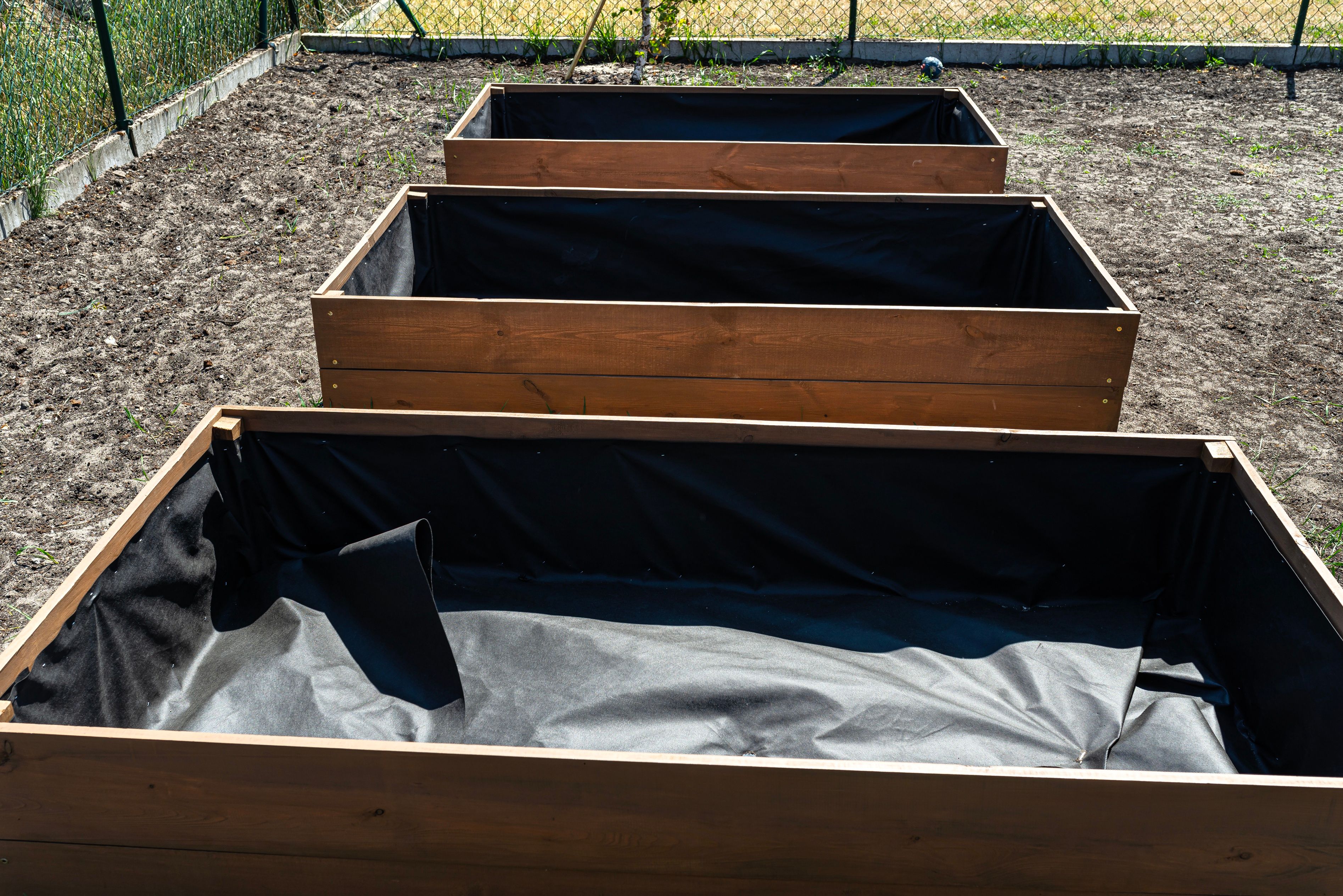
Garden fabric, in addition to cardboard and plastic, can be used to line your raised bed soil by laying them at the bottom of the beds. Adjacent trees' roots can infiltrate the nutrient-rich raised bed soil of your garden. Using garden fabric as a barrier can help prevent these troublesome leechers from absorbing the nutrients. Weeds and other rogue plants can also be kept out by such methods.
If you want appropriate draining, landscape fabric is probably the best option for your raised bed vegetable garden.
Hardware Cloth
It is recommended to use hardware cloth if furry critters like gophers or rats visit your garden frequently. These are made of metal mesh rather than the actual fabric and look kind of like chicken wire. But avoid using chicken wire because the mesh may not be tight enough to keep out vermin.
Hardware cloth also permits reasonable drainage, which lowers the buildup of minerals in the raised bed soil. Additionally, plant roots may easily pass the mesh and enter the earth directly beneath the bed to obtain water and nutrients from there. You must nail hardware cloths at the bottom right after building your beds.
Plant Support
One of the most unpleasant aspects of gardening is when wind gusts or heavy downpours decimate our plants. Your plant may require supporting structures depending on what you are growing in your garden. You might require something different than what is needed for a flower garden if you are constructing a raised bed vegetable garden.
Tomato Cages
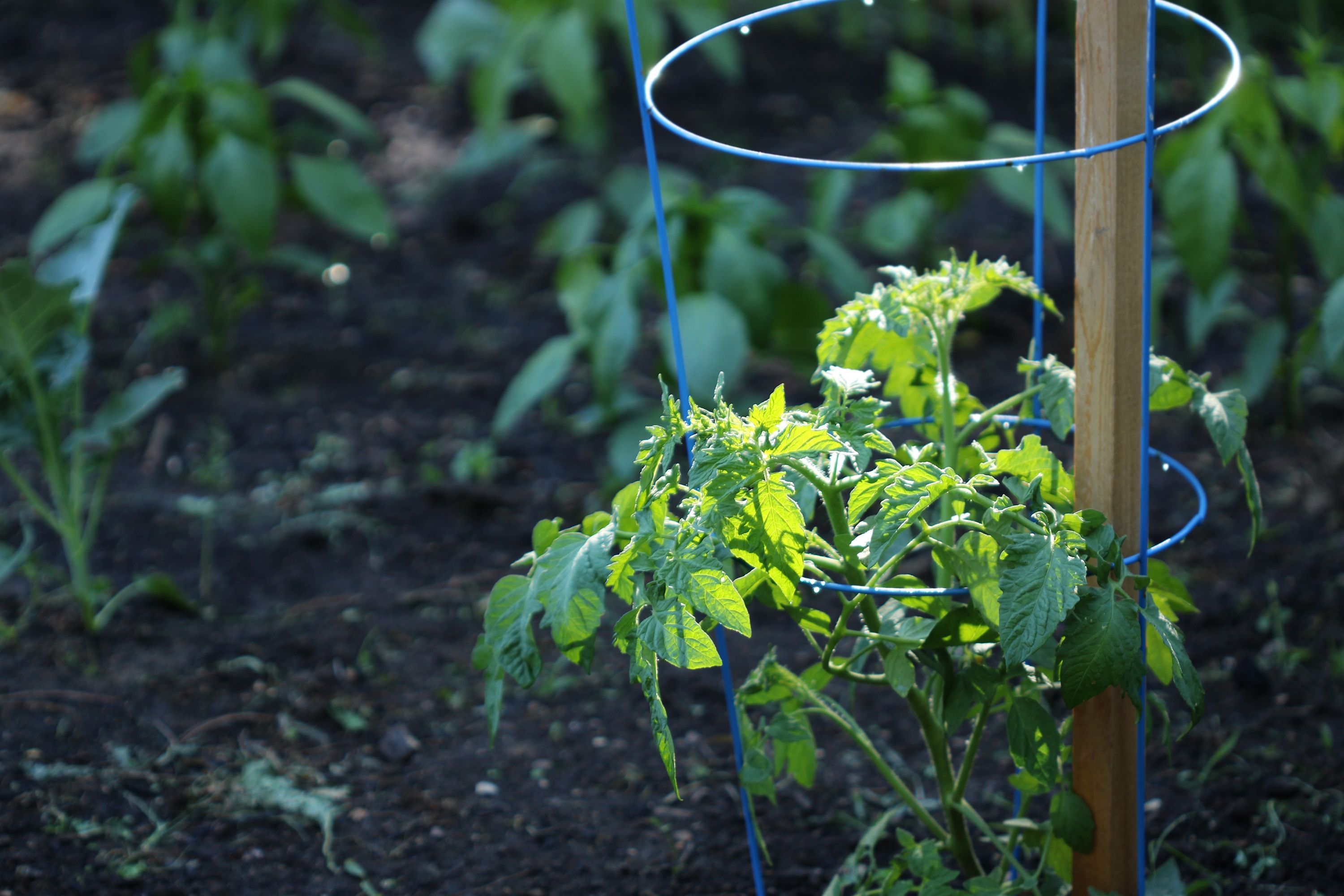
A great option to support your plants is using tomato cages. Now don’t get confused by the name. You can provide support for any plants with large and heavy fruits, such as cucumbers or eggplants, with these cages.
A tomato cage's construction material will determine if it can support the plant's weight properly. Galvanized steel cages are recommended, despite their high cost. Your preferences and the plants you are supporting with these cages will determine the shape, size, and type.
The typical cost of a set of tomato cages ranges from $10 to $50 depending on the size and construction material.
Plant Clips
Plant clips are a great alternative among the various modern plant supports that are available. For firmly fastening fragile plant stems to their supports, plant clips are ideal.
Others
Different plants require different kinds of support. Other types of plant supports include hoops, trellises, obelisks, poles, arbors, etc.
Plant Protection
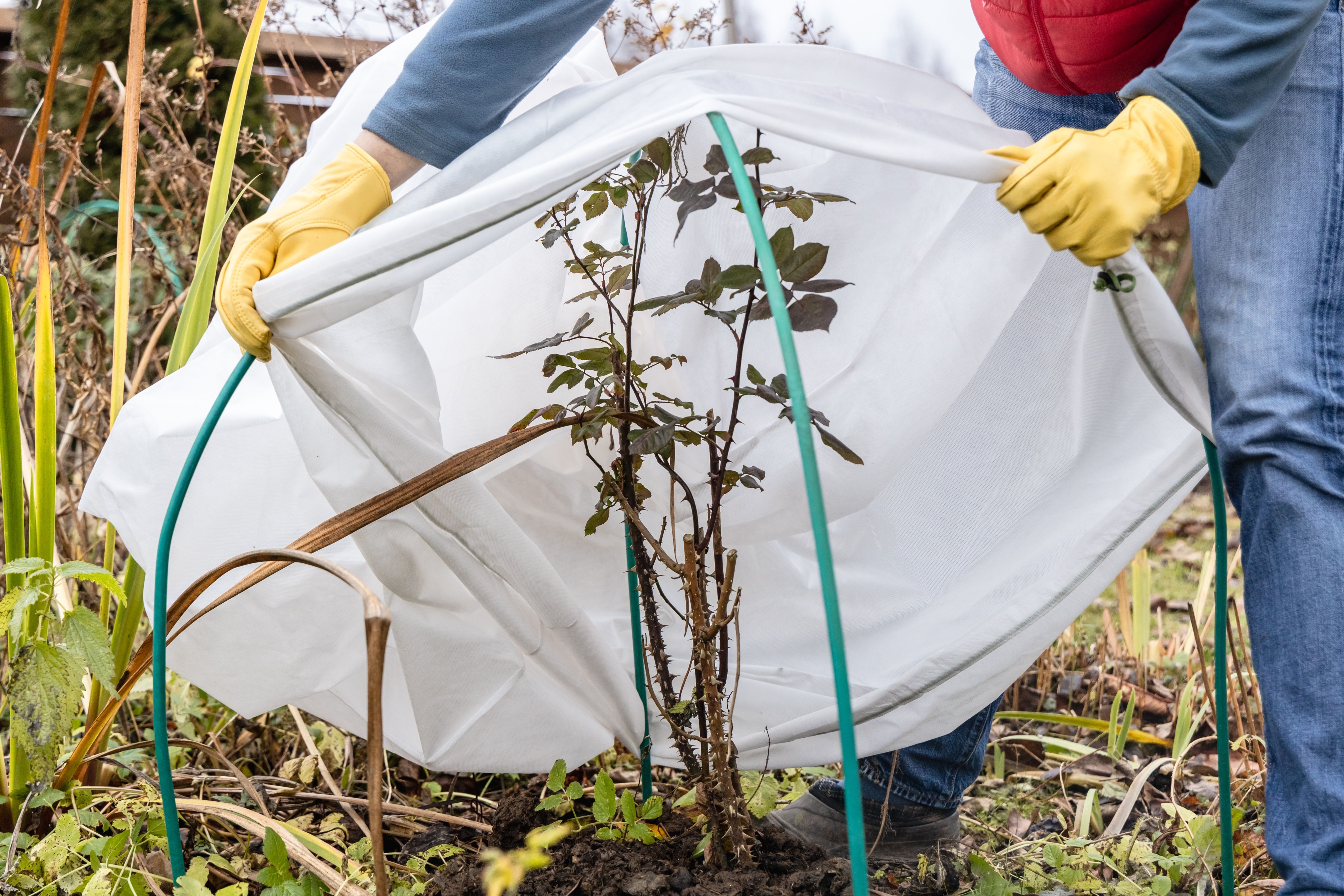
Perhaps animals frequent your raised garden to munch on those juicy outdoor succulents, or maybe the severe weather is wearing down your plants. Whatever the reason, your garden needs some kind of defense against these threats. And for this, garden bed coverings are ideal.
There are many kinds of bed covers, including row covers, nettings, shade cloths, meshes, prefabricated frames with coverings, and many more. You may either purchase one from a nearby garden store or create one yourself. Depending on the building materials, there are numerous ways to make a DIY garden cover. Here, we'll discuss how to build a covering out of wood and wire mesh.
To make a protective garden covering, you’ll need a few things, including wood, wire mesh, a staple gun, a screwdriver, wire-cutting pliers, and screws. For making the protective cover, you’ll need to:
- Measure the size of your raised bed.
- Cut the wood according to the size of your beds.
- Screw four pieces of wood splat to form the base of the frame.
- Attach four poles on the four corners of the base. This will act as support for the roof.
- Make another frame like that of the base frame. This will act as the roof frame0.
- Attach it to the four poles with screws.
- Attach wire mesh with staples to the frame's four sides and top.
- Use the plier to remove any unnecessary mesh.
- Place the covering on top of your beds.
What to Plant
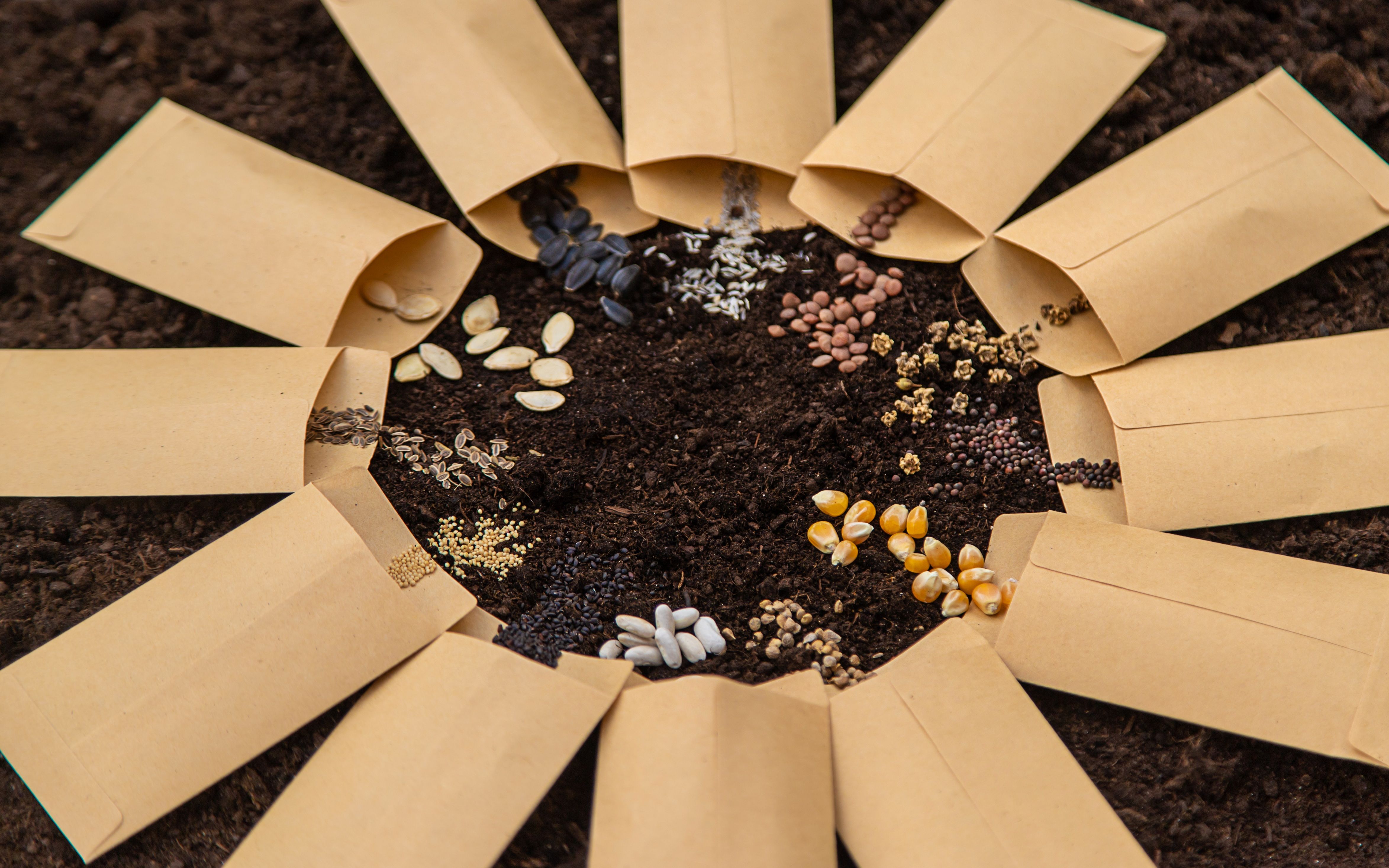
One of the most intriguing features of raised bed garden is that you can grow nearly anything in it. With the right raised bed garden setup, you can plant the flowers you love or the veggies you enjoy eating. However, keep in mind that cramming your beds can prevent plants from yielding the most fruits since they have to vie for water, nutrients, and root space.
You can also plant a variety of plants in the same bed, but consider how one plant's growth habit will affect another. Planting bushy plants near climbing plants is not ideal for the garden. And if you plan to do so, you may need to use cages, clips, or stakes to keep these plants from mingling with each other. These will also make the garden tidier and easier to maintain.
The following are some of the most popular vegetables grown in raised bed vegetable gardens:
Tomatoes
Tomato plants grow by spreading their roots deep into loose soil and feeding on nutrients intensively. Before planting your tomato plants, make sure your bed has a depth of at least 24 inches, as the roots of these plants can easily penetrate depths of 24 inches or more.
Eggplants
Eggplants grow best in warm soils, and because raised beds are higher than the ground, they can heat up faster and stay heated longer. For the best watering and drainage results, use drip irrigation or furrow irrigation. Keep in mind that eggplant roots can also reach depths of 24 inches or more.
Carrots
Carrots can grow unfettered by rocky terrain in these beds' loose, nutrient-rich soil. Direct sowing of carrot seeds in the garden is recommended. Before planting, comb the soil to a flat surface and loosen it to a depth of 12".
Potatoes
Growing potatoes in these beds is quite easy. However, bear in mind that without proper drainage, the tubers won't fully grow and will instead rot away.
Along with veggies, you can also grow flowers and herbs in your garden. Combining flower plants with veggie plants is practical as they could draw in helpful pollinators like bees to your garden. Some herb and flower plants offer additional benefits such as:
- Basil can enhance tomatoes' taste and deter flies.
- Marigolds deter harmful insects.
- Mint keeps cabbage moths away from the bed.
However, keep in mind that not every plant can coexist with another.
When to Plant
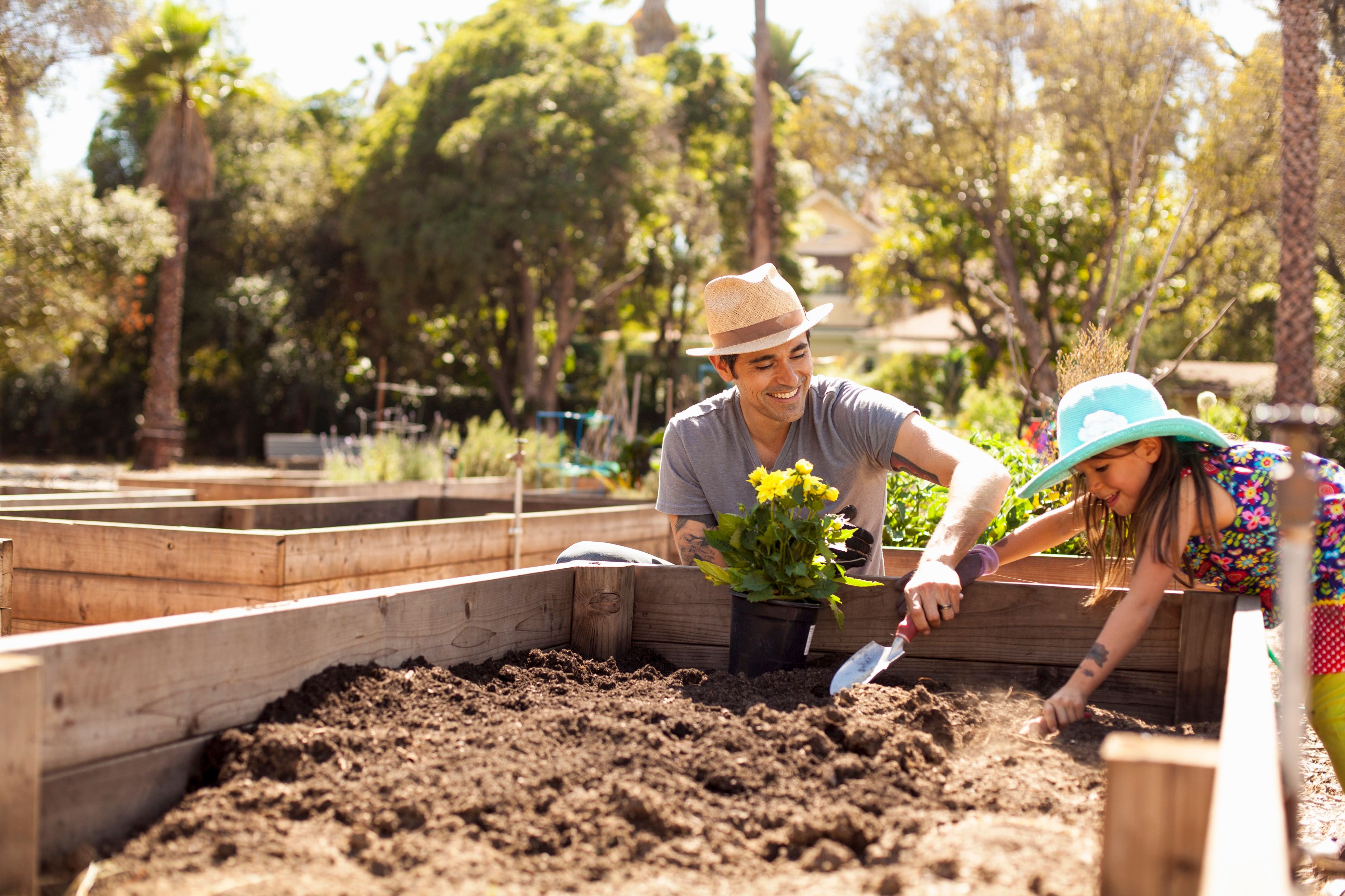
It is advisable to follow some form of gardening schedule, whether you are starting from scratch or sowing the second round of plants.
There are several things to take into account when choosing the time to plant your garden. The kind of plants you want to grow comes first. Remember, your plant's growth is impacted by the weather. Some plants, such as spinach and cabbage, can withstand chilly temperatures. Low temperatures can harm or even kill some plants, including snap beans, potatoes, and peppers.
Additionally, some plants can only be harvested once, while others may be harvested twice a year. Moreover, many plant seeds have tough coatings that must be softened either before or after sowing, depending on the species. You must keep the soil moist after planting the seeds of such plants. The germination process will be disrupted if the soil dries up during this period, resulting in the need to reseed.
If you are transplanting sprouts from somewhere else, put them into the garden ground when it's calm, chilly, and rainy. If these seedlings are placed in the garden on a bright, warm, or breezy day, they will struggle. To shield them from unfavorable weather, you may choose to cover them with garden covering.
Plan Ahead for Next Year’s Crops
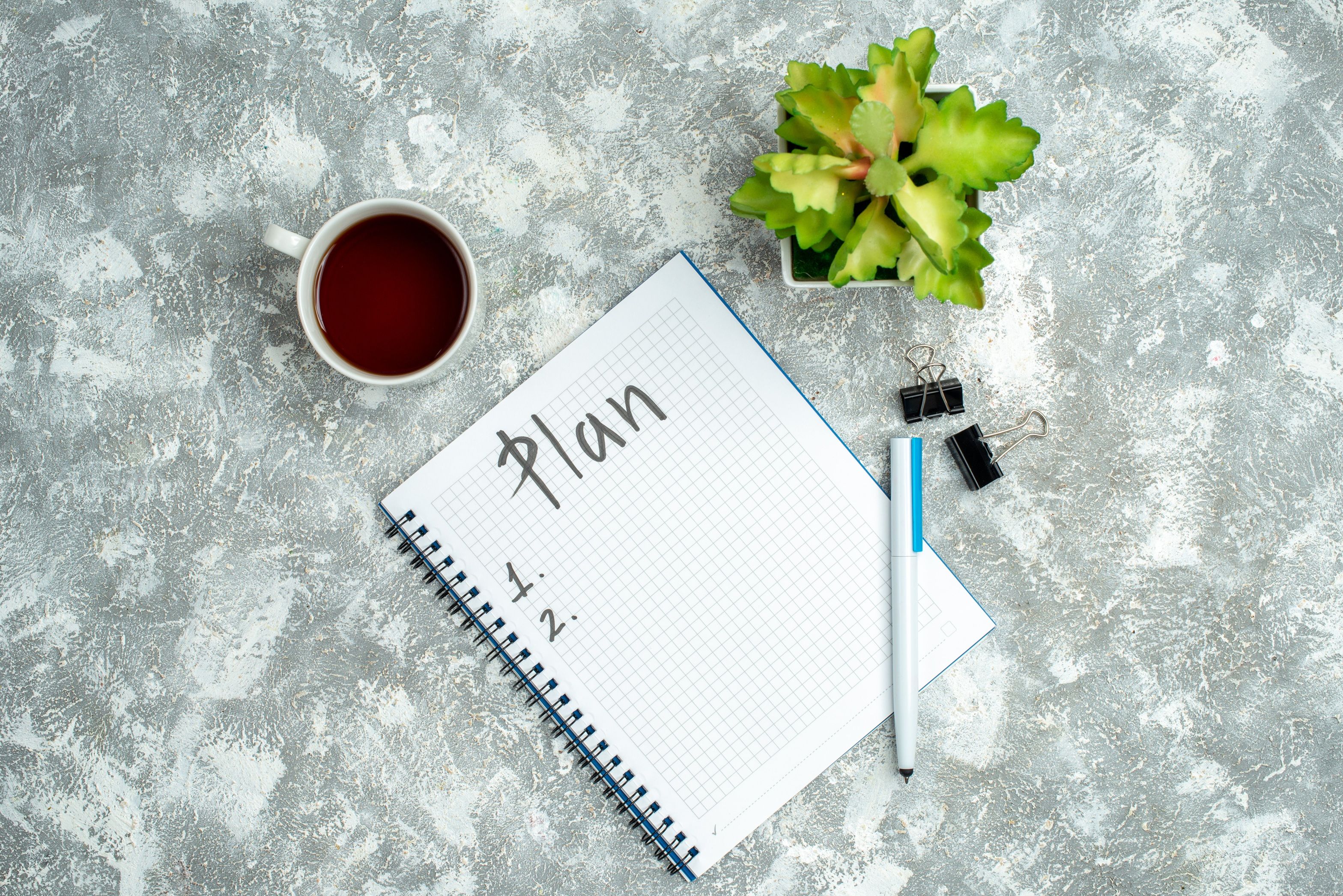
Planning what you want to grow next is crucial for every form of gardening. For newcomers, making a plan can be intimidating, but it is quite simple.
Start by compiling a list of everything you grew the previous season. Write down the plants that yielded poor results and the new ones that you want to grow. Now that you have a list of plants that need to be planted or replanted, you have to work on your garden area.
You should start by cleaning up all the diseased and dead plants from the garden. After that, put 1” of manure and 4” of organic mulch over the soil's surface. These will decompose, prepping your garden for next year’s harvest.
Tending Your Garden
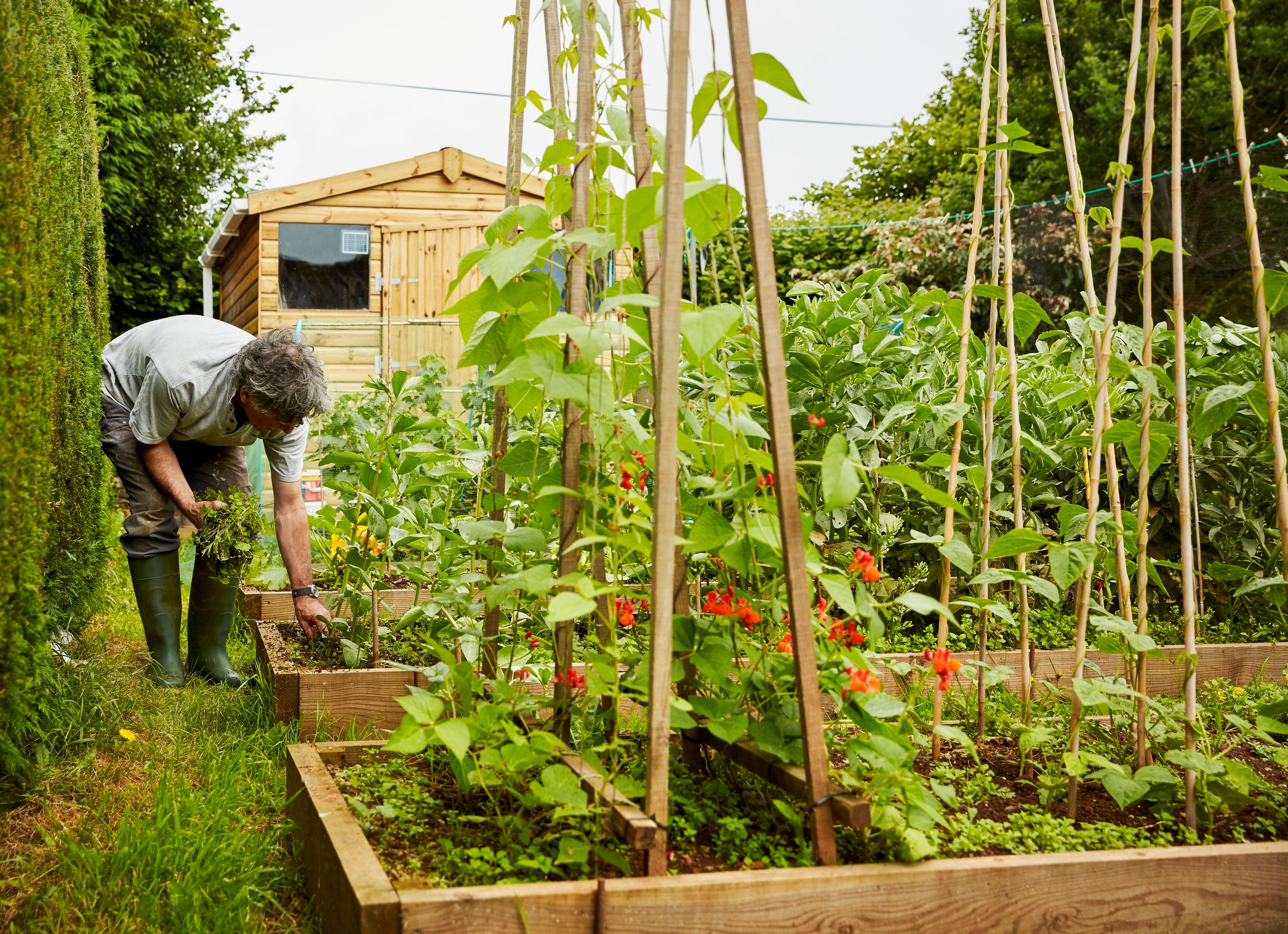
Gardening involves more than just growing plants; you also need to tend to your garden regularly. You won't get the most out of your garden without proper maintenance. You might have to get rid of weed every week. They primarily sprout in the early spring, so you have to be extra vigilant then. If you don't get rid of them as soon as they grow, your plants will be in competition with them for nutrients and space.
Every day, inspect the garden for diseased or pest-infested plants. To prevent the growth of fungus, garden bugs, and diseases, remove wilted flowers and dead leaves. Use sticky cards as insect traps if your garden is plagued with insects.
Crop rotation is advantageous for your garden as well. This strategy involves switching crops in a predetermined order from season to season to prevent insect and weed invasion. It also prevents the exhaustion of essential soil nutrients and keeps the soil healthy. Additionally, this will increase your garden's diversity.
Dig Double if the Sides of Your Beds Are Low
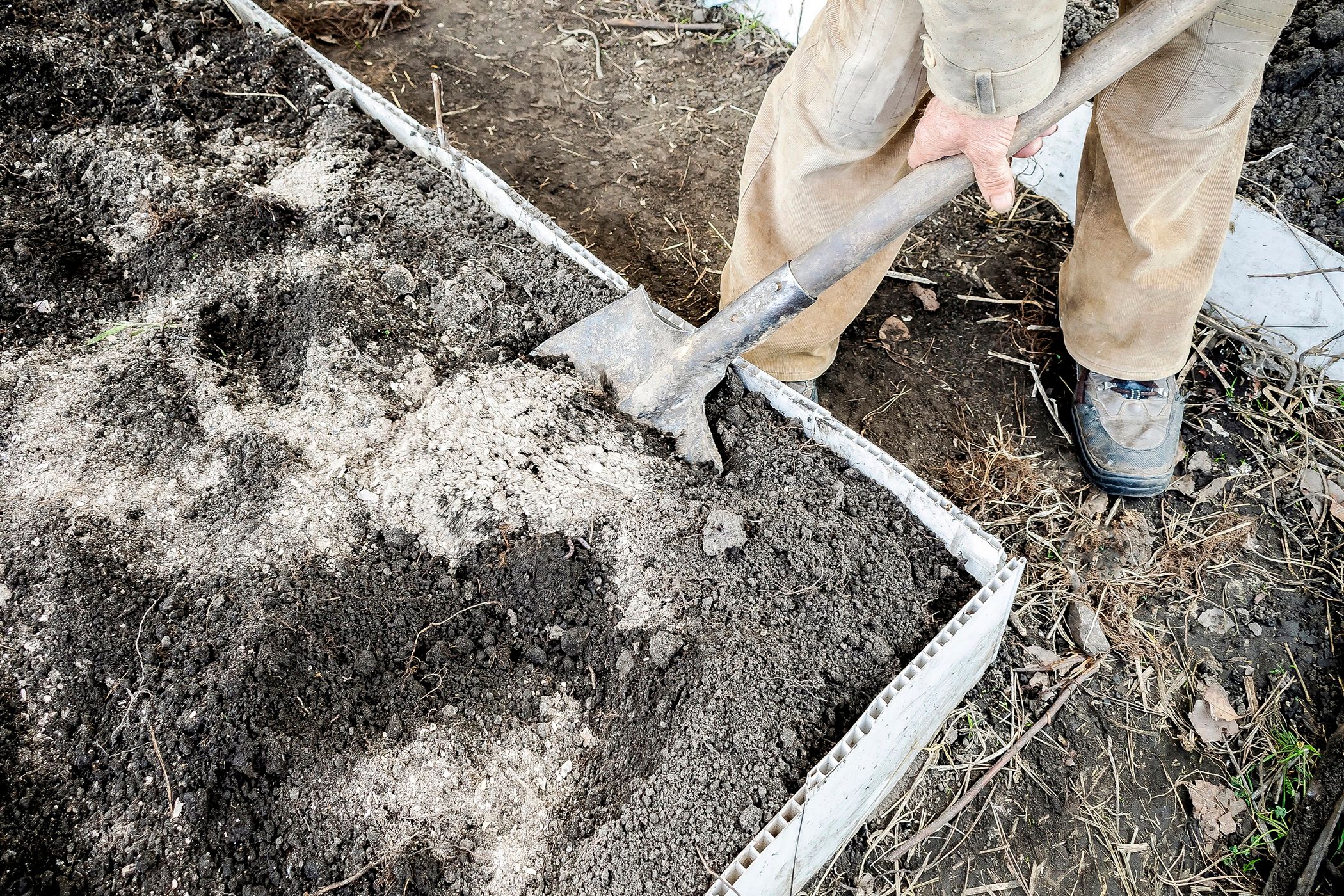
Some garden plants, like broccoli and spinach, possess shallow roots that don't extend much further than six inches. However, certain vegetables, including pumpkins and tomatoes, may reach depths of over twelve inches with their roots.
You can build the bed directly on top of the ground if the sides of your raised bed are 12 inches high or more. If the bed's sidewalls are lower than 12 inches, excavate the existing ground soil to a depth of 8 inches, to assure that there is an adequate amount of soil for the development of healthy roots in all plants. This is known as "double-digging."
Plants Arranged by Height
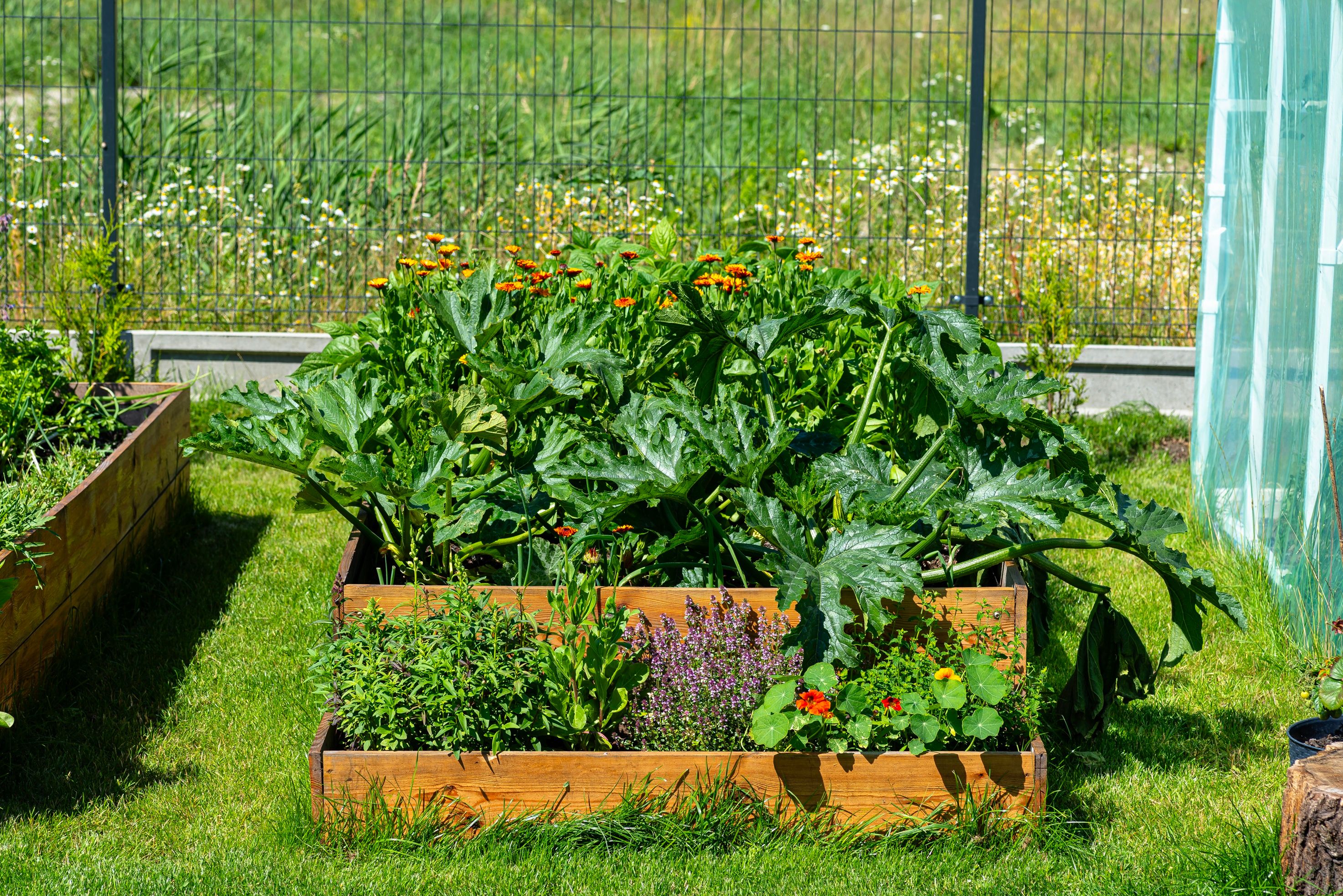
You should create a planting strategy for the beds to prevent confusion and unnecessary labor. You most likely wouldn’t want to wade through a cucumber plant to dig out some onions hiding beneath it when it's harvest time. So, by arranging your plants so that the towering ones are in the center, the middle-sized ones are on both sides, and the smallest ones are at the edges of the beds, you may harvest your crops more easily.
Water, Water, and Water
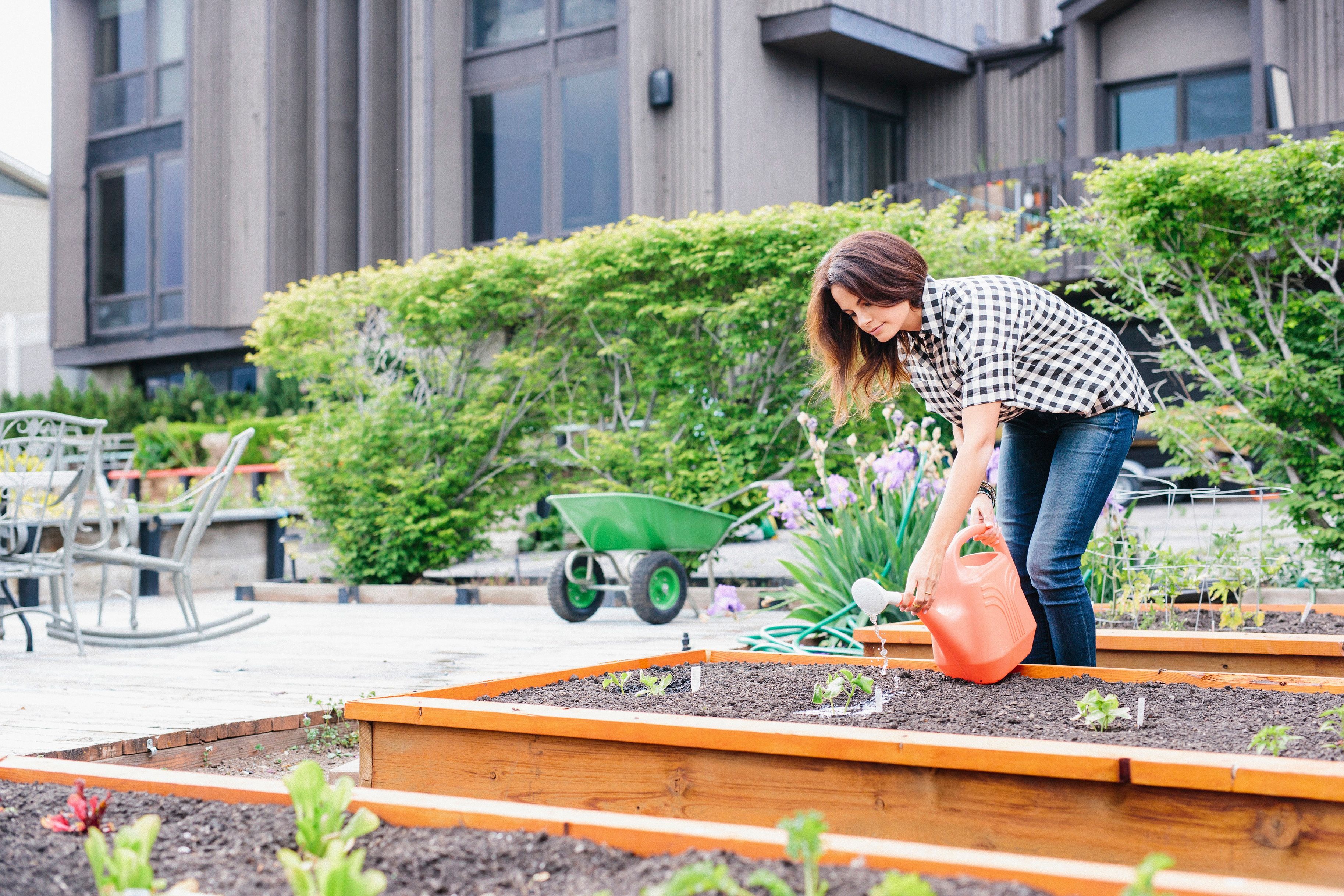
Water is necessary not only for you but also for your plants. Youñkīr watering practices can make the difference between thriving, productive plants and plants that have trouble with either under or over-watering. You need to keep a few things in mind before grabbing your hose and going full commando in the garden:
- Weather affects the irrigation cycle.
- Tropical plants need regular watering.
- The capacity of various soil types to store water varies.
- Compost increases the soil's capacity to provide your plants with the ideal amount of water.
You may need to water the beds every day if you live in a hot climate since, during arid, breezy, or hot weather, plants need more water than usual. You should also consider watering every day in the summer season. During other seasons of the year, the beds could only require watering 1-2 times each week.
Be mindful of your plants' watering requirements. For your crops to be healthy, there must be enough moisture in the soil. You should water the plants thoroughly to evenly wet the root system. Healthy root development is hindered by shallow irrigation. You also need to evenly water every part of the bed.
Examine plants if they are exhibiting symptoms of stress, such as slouching, shriveled leaves, and yellow leaves, from insufficient watering. This will help you to figure out how much should you water. Pllants that droop in the afternoon but recover in the morning are experiencing heat stress rather than water stress. You may have to cover them with garden coverings.
Additionally, look for symptoms of overwatering, such as root rot, on the plants. Change your watering schedule and cycle, if they show signs of overwatering. Also, refrain from overwatering the plants so they can acclimatize to the heat.
Keep the soil moist to keep your plants healthy and fruitful. If fragile root strands perish, the plant needs to use its resources to grow new ones instead of producing fruit. Remember that water-stressed plants may turn caustic and harsh.
In the morning, plants are more capable of taking in moisture. So you should water early in the day as this moisturizes the plants before the day becomes hot. This will also reduce the amount of water wasted due to evaporation.
You might want to water the plants from the bottom rather than from the top, where the leaves are. The risk of fungus infection is increased by wet leaves, which can utterly ruin a plant or worse, the whole garden.
Rainfall affects watering needs of the plants. To calculate how much rainfall has occurred, you might want to invest in a rain gauge. This will allow you to figure out how frequently to water your plants. In addition to this, if you don’t have the time to water the beds, you might also want to buy automatic watering systems.
Mulch to Keep Moisture In
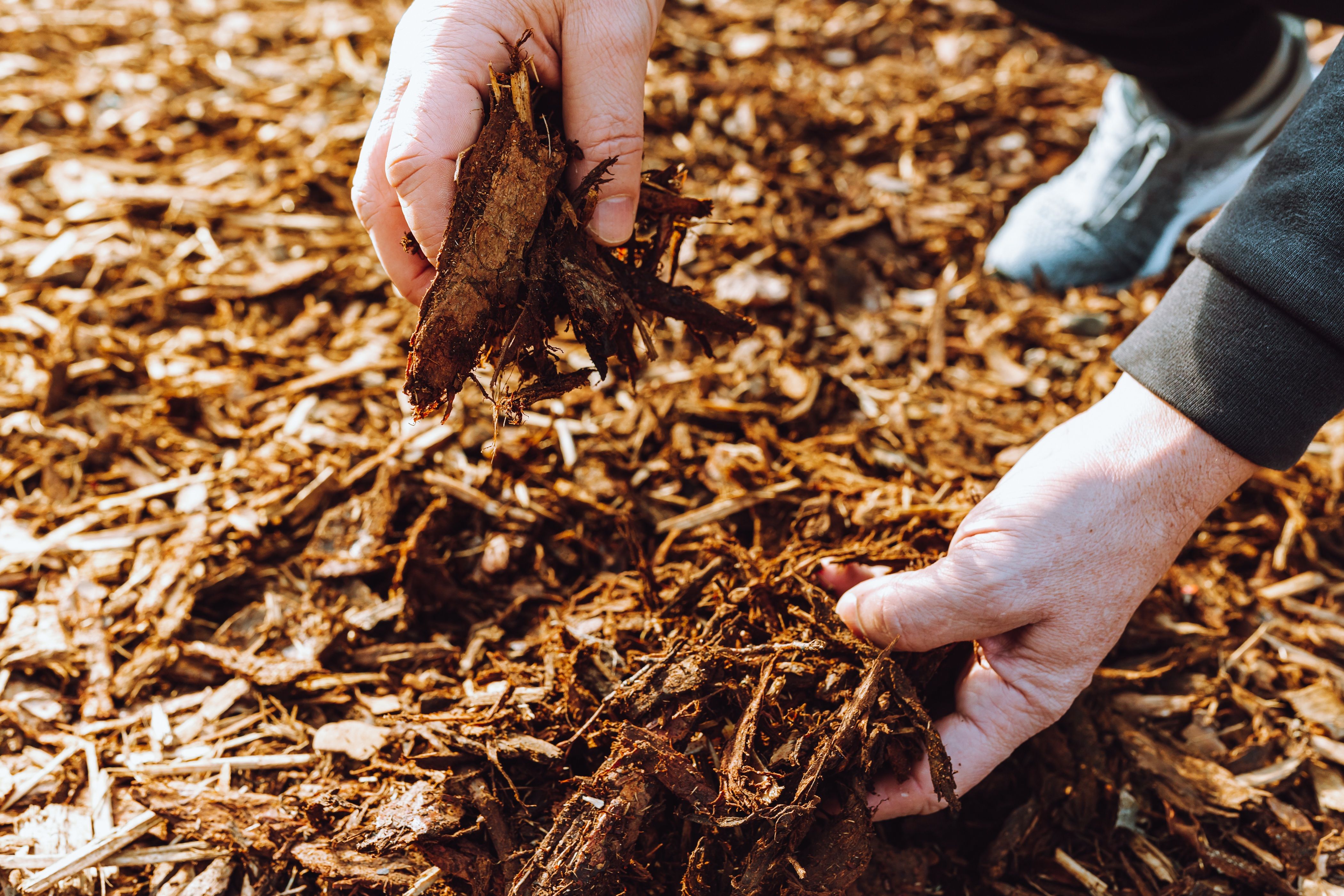
Mulch is any product that is applied as a covering to the soil's top layer by spreading it out or laying it down. Mulch is excellent for preventing weed growth and preserving soil moisture. What you are growing will mostly determine whether you need mulch in your elevated beds. Mulching offers many benefits, such as:
- Mulch not only stops weed seeds from germinating, but if you bury existing weeds, it can also prevent their growth.
- The soil beneath the mulch is kept moist by it. Since water drains more quickly in raised beds than it does on the flat garden ground, this is essential to know.l
- If you use organic mulch, it can help your bed's soil to be more nutritious.
Mulching, however, must be done cautiously. It also has certain disadvantages, including:
- Mulch decomposition can emit a strong odor that you may not like.
- Your plants' shoots can decay if mulch is laid too close to the bottom of the plants.
- Mulch can also retain unnecessary water that might cause your wooden elevated beds to rot.
However, most of the issues may be avoided if you pick the appropriate type of mulch, use the proper quantity, and keep it away from plants’ bottoms. Mulch may be made from a variety of free or cheap organic resources, such as dried leaves, woodchips, hays, dried grass, paper, etc. You can also use peat moss as mulch, but remember that it is highly acidic and not suitable for every kind of plant.
After selecting the material, determine how much mulch you'll need. If used inadequately, you won't get the benefits, and excessive usage can be disastrous. The ideal layer range is between 2 to 4 inches in depth. Nevertheless, it is better to avoid mulching newly sown areas, and if you must, only apply a thin layer.
Fertilize Regularly
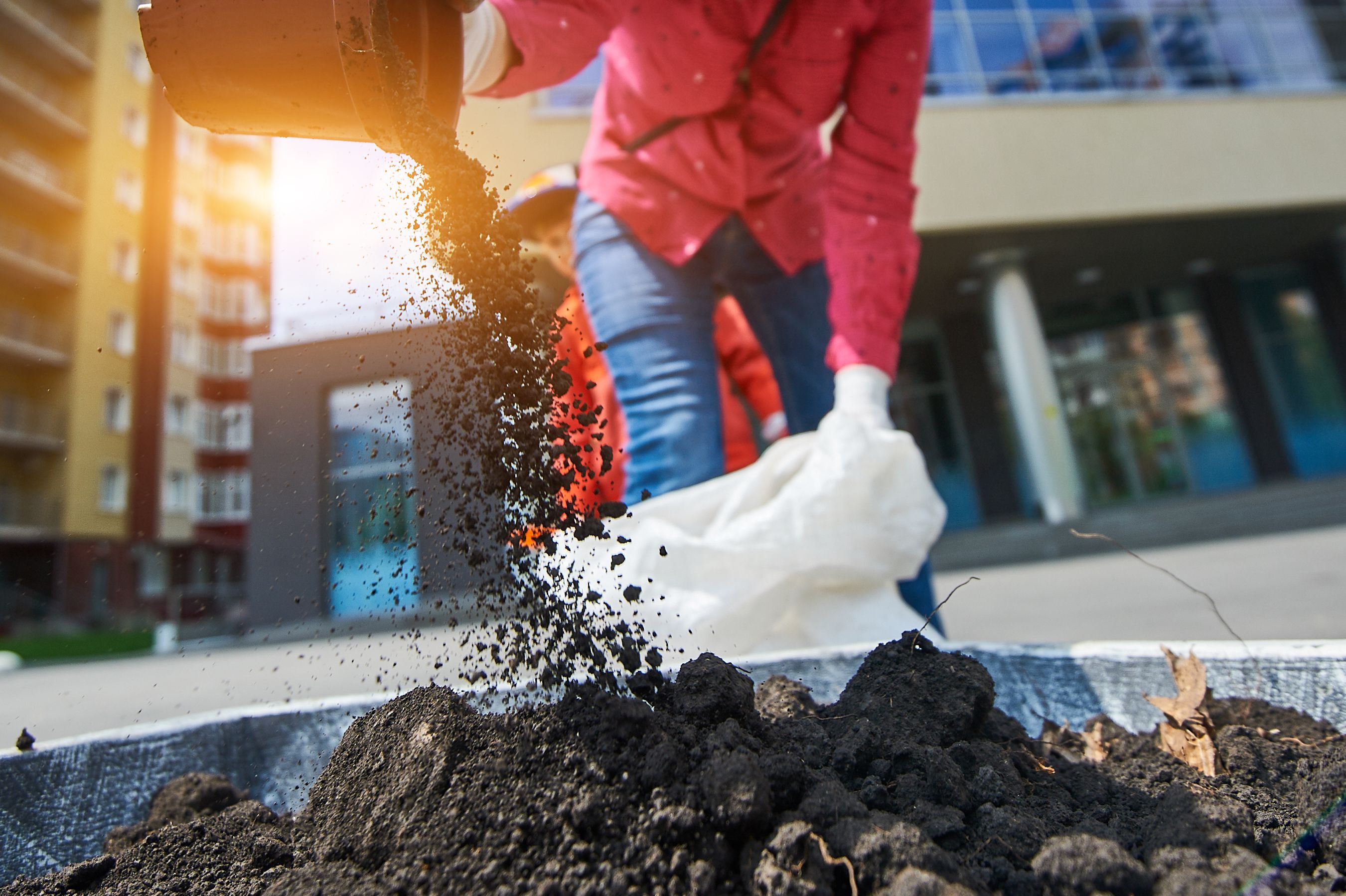
It's essential to fertilize your beds. Your plants’ growth and harvest volume can be significantly affected by the timing and method of fertilizing. The soil of elevated beds is richer and more flocculent than the soil of typical ground-level gardens. This allows the plants to efficiently ingest the nutrition needed for proper development. But this also means that these key nutrients are quickly depleted from these beds’ soil. These factors make regularly fertilizing a must.
Put It to Bed
Prepare yourself to grow vegetables and flowers all season long now that you are aware of the essentials of raised bed gardening. Whatever you choose to plant in the beds, take care of it.
Add Seeds or Plants
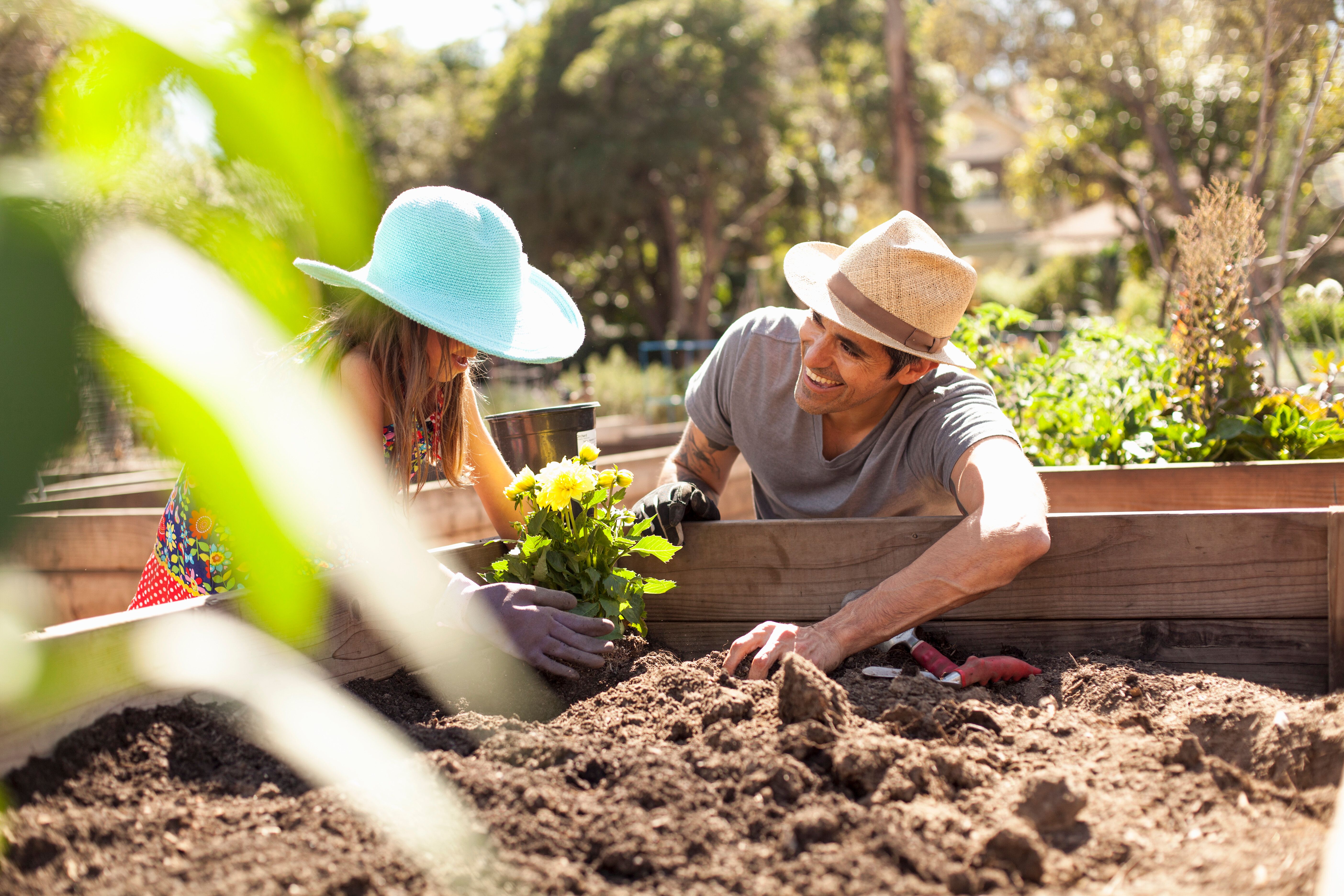
You can grow veggies from seed, but starting with plants will allow you to harvest them sooner. If you live in a chilly climate, you should take this into account. Depending on the size of your bed and your budget, you may also consider whether you want to buy a whole bag of seeds or a few plants.
It's time to harvest!
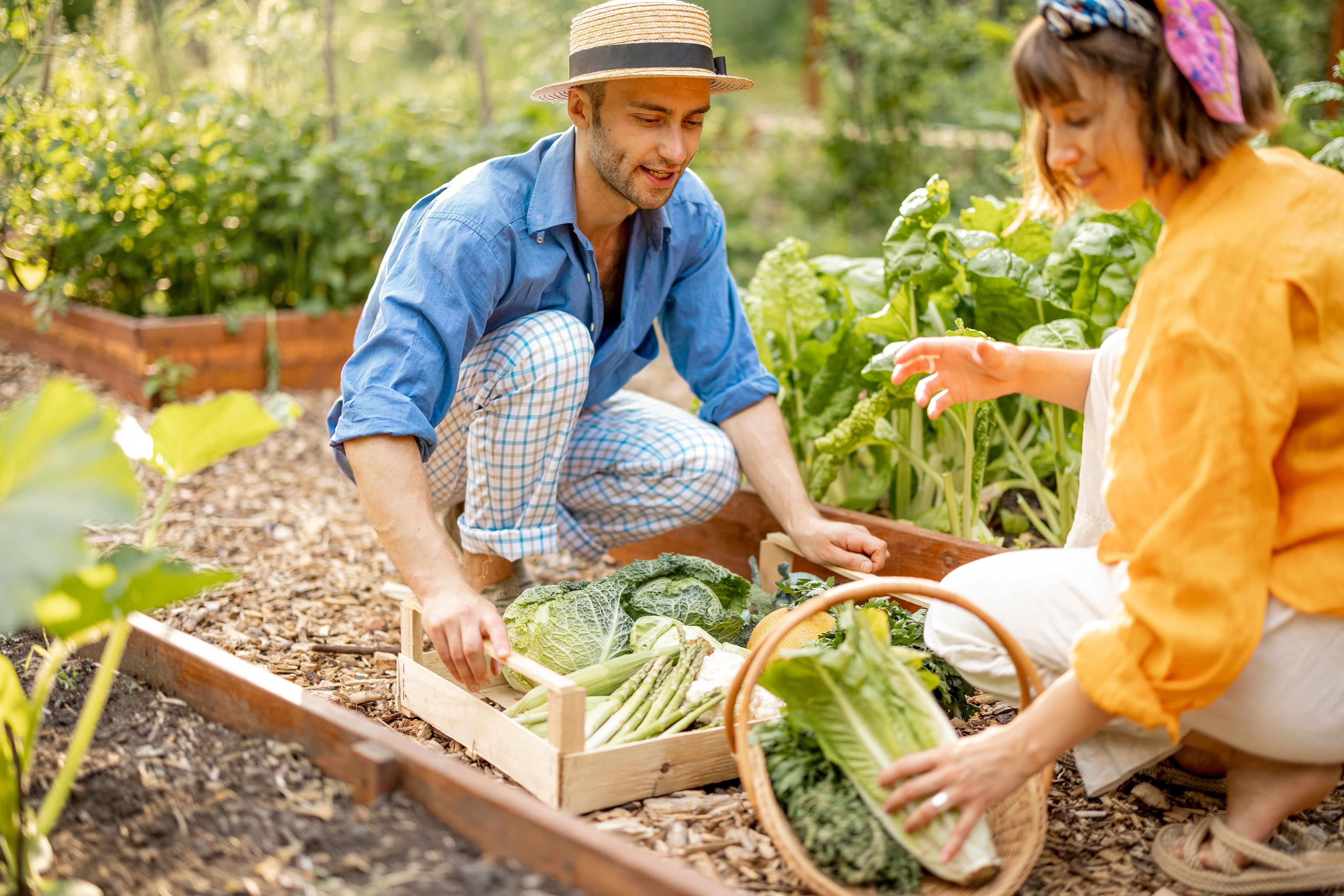
As soon as your crop appears to be fit for eating, you may start harvesting it from your garden. You may want to harvest your vegetables before the crop is entirely ripe. Additionally, harvesting crops in the morning will result in crispier, yummier crops.
If harvesting in the morning is not an option for you, crops should be stored out of direct sunlight and chilled as quickly as possible to prevent deterioration. Another thing to keep in mind is that not all vegetables ripen at the same time.
Conclusion
And that’s about it! With the right care, your raised bed garden will give you the best yield season after season. By providing plant support and protecting your crops from pests and severe weather, you’ll enjoy a thriving garden with minimal effort.