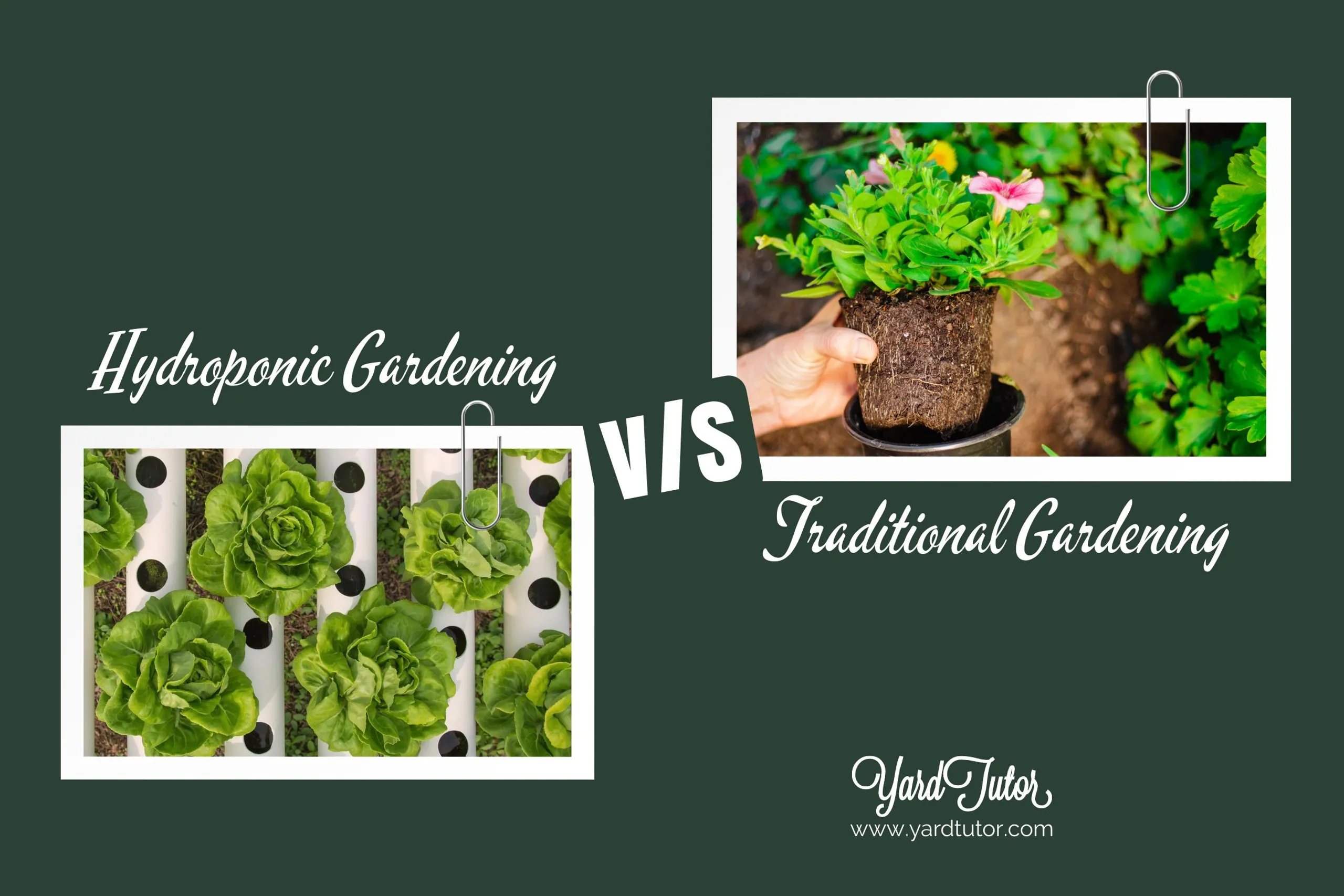
Hydroponic Gardening vs Traditional Gardening
Gardening has become a popular pastime worldwide. Traditional farming has been tried and tested since the dawn of civilization, whereas hydroponic gardening has its roots in our ancient past but is just catching on now. But how does the trendy gardening method fare against traditional soil-based gardening? Let's find out.
Key Takeaways
- Hydroponic gardening grows plants in nutrient-rich water without soil, while traditional gardening relies on soil for nutrients and support.
- Hydroponics generally uses less water and space, offers better nutrient and pH control, and reduces weeds and soil-borne pests.
- However, traditional soil-based gardening is usually cheaper to start and requires less equipment, electricity, and ongoing monitoring.
- Hydroponic gardening can support faster plant growth and efficient fertilizer use, but it requires regular maintenance and careful system management.
- The best method of gardening between hydroponic and traditional depends on your budget, available space, preferred plants, resources, and gardening goals.
What Is Hydroponics Gardening?
Before we get started, let's discuss what hydroponic gardening actually is.
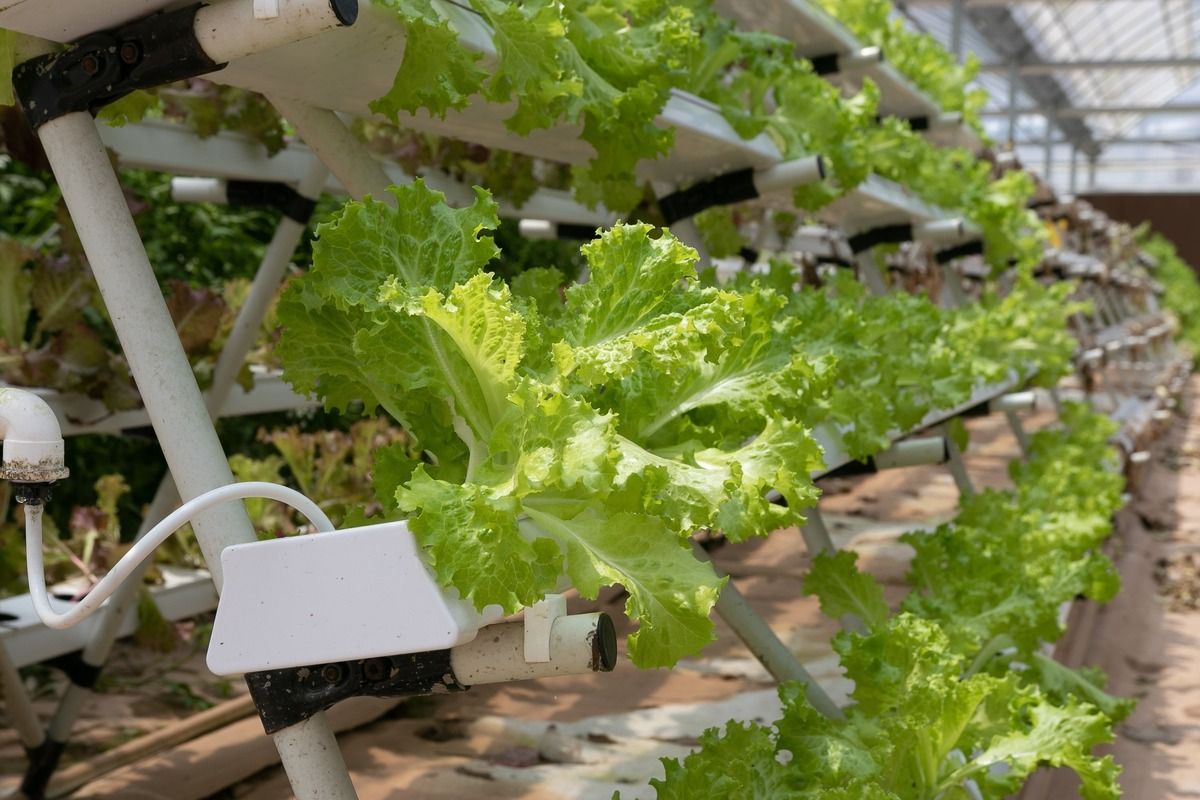
Hydroponic gardening is the practice of growing plants in a water-based nutrient solution that provides all the nutrient content, hydration, and oxygen they require.
Yes, you read that correctly! With this method, you won’t need to get your hands dirty with soil.
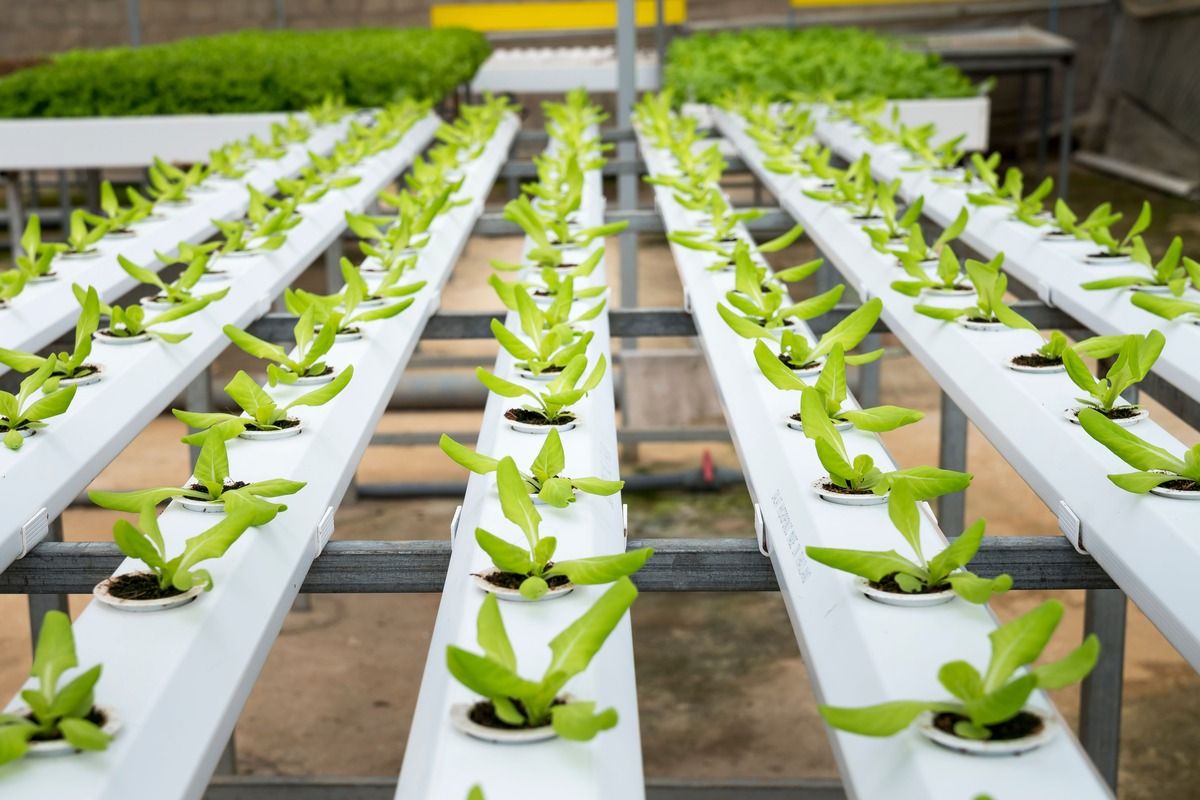
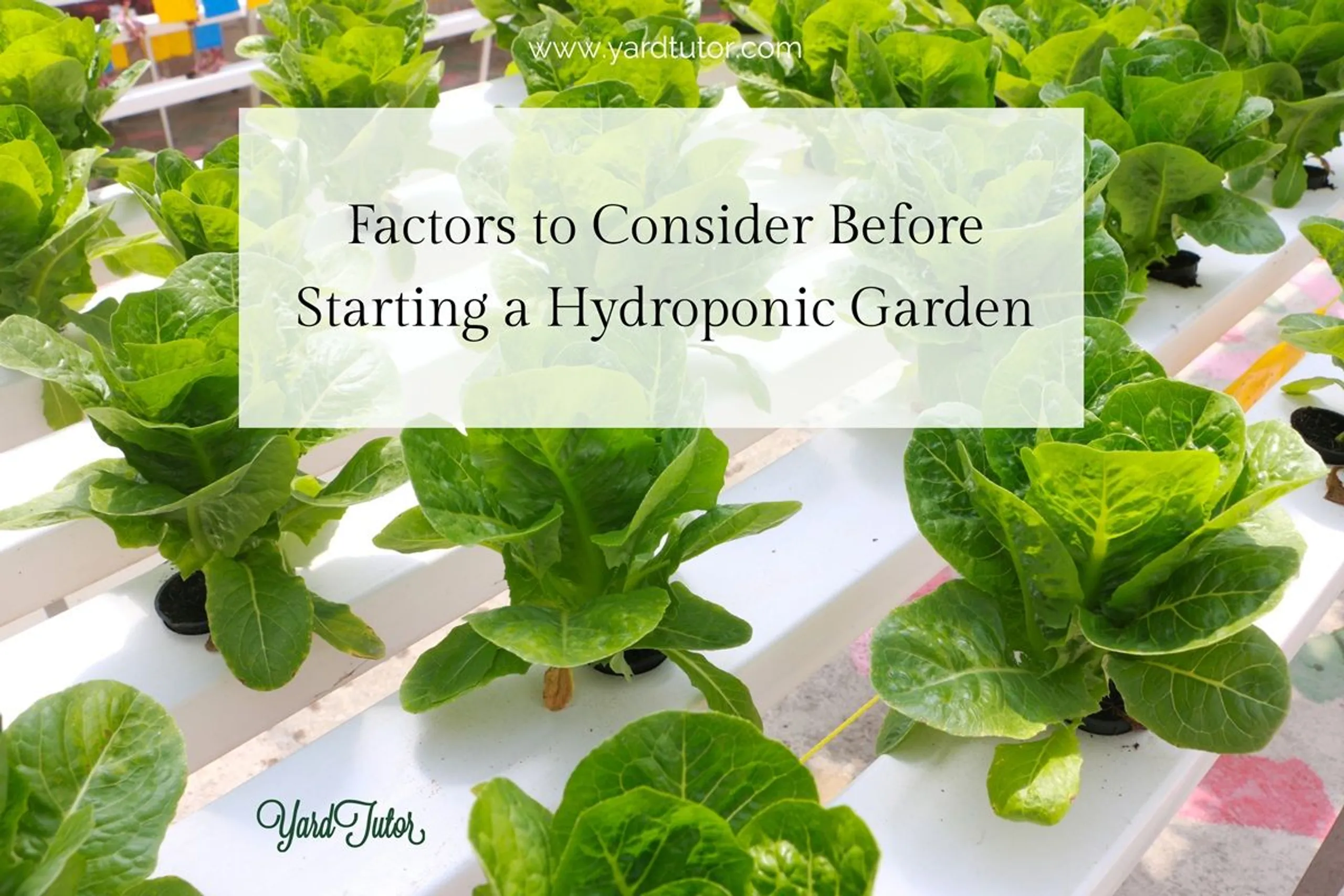
A water reservoir, a pump to circulate the nutrient solution, and a few growing trays or containers are the typical components needed for a small hydroponic garden. There are 6 main types of hydroponic systems available for gardening:
- Wick system
- Deep water culture (DWC) system
- Nutrient film technique (NFT) system
- Ebb and flow system, commonly known as flood and drain system
- Aeroponics system
- Drip system
However, you can mix, match or modify these hydroponic systems to create a hybrid system that suits you. There are many such systems already available, including The Kratky Method, Recirculating Deep Water Culture, Fogponics, The Dutch Bucket System, etc.
Key Differences
Now, let's explore a few of the key differences between these two methods.
1. Growing Medium
The most noticeable distinction between these two methods is the growing medium in which the plants are raised. The health and growth of plants are significantly affected by the growing medium.
In traditional farming and gardening methods, the plants are grown directly in the soil. Garden soil contains various beneficial microbes that can aid in the decomposition of organic matter, making them more palatable for plants.
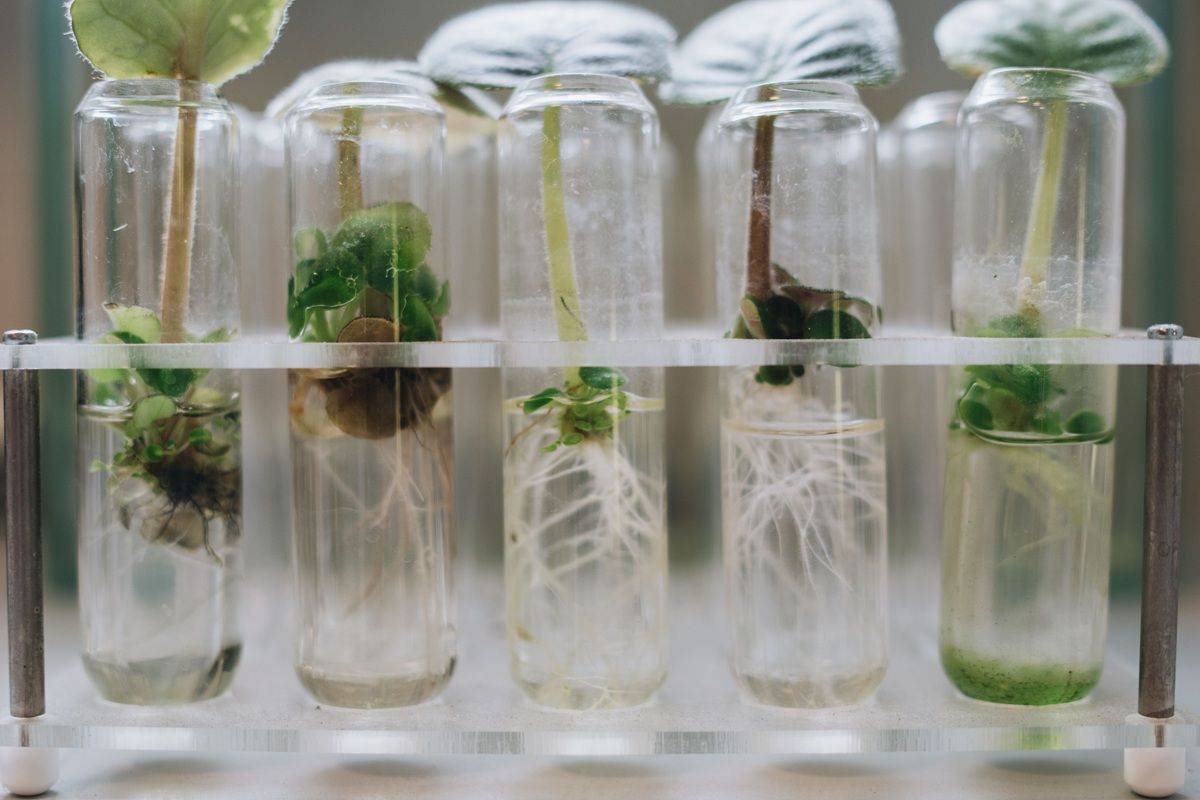
But soil comes in a broad range of types and qualities, not all of them are suitable for all varieties of plants. Plants will shrivel or die if the garden soil lacks essential nutrients. Additionally, many soil-borne diseases can infect your plants.
On the other hand, hydroponics gardens involve growing plants in a soilless environment using a variety of mediums, including coconut fiber, perlite, wick, sponge, gravel, sawdust, grow stone, vermiculite, water, etc.
Because hydroponic systems do not use soil, pests and illnesses transmitted by it are not an issue. However, waterborne diseases pose a huge problem for hydroponic gardens.
2. Nutrient Delivery
Another area where these two diverge is in how nutrients are delivered to the plants. In a hydroponics garden, liquid nutrient solutions that are water-soluble are mixed with water to deliver nutrients directly to the plant roots. This ensures maximum nutrient absorption and plant growth. Nutrient levels can be easily monitored and adjusted in a hydroponic system, resulting in faster growth rates and higher-quality produce.
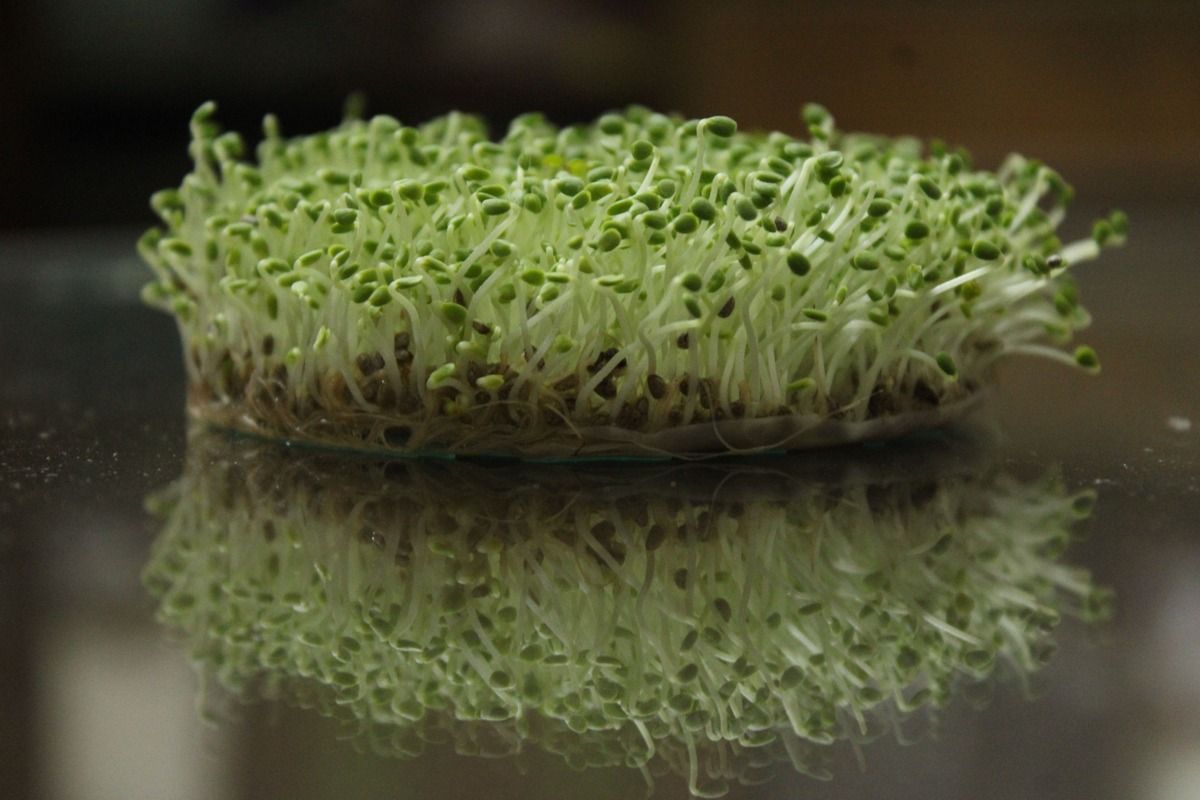
On the other hand, with traditional gardening, plants get the nutrients they need directly from the ground. This gives your plants access to a more natural and varied supply of nutrients. This also apparently helps plants to develop a strong root system, which can help them access nutrients and water more efficiently.
3. Water Usage
Water usage in in-ground gardening versus hydroponics can vary depending on various factors, such as the type of plants, the growing environment, and the specific techniques used. However, this may surprise you, hydroponic gardens require less water compared to traditional soil-based gardening.
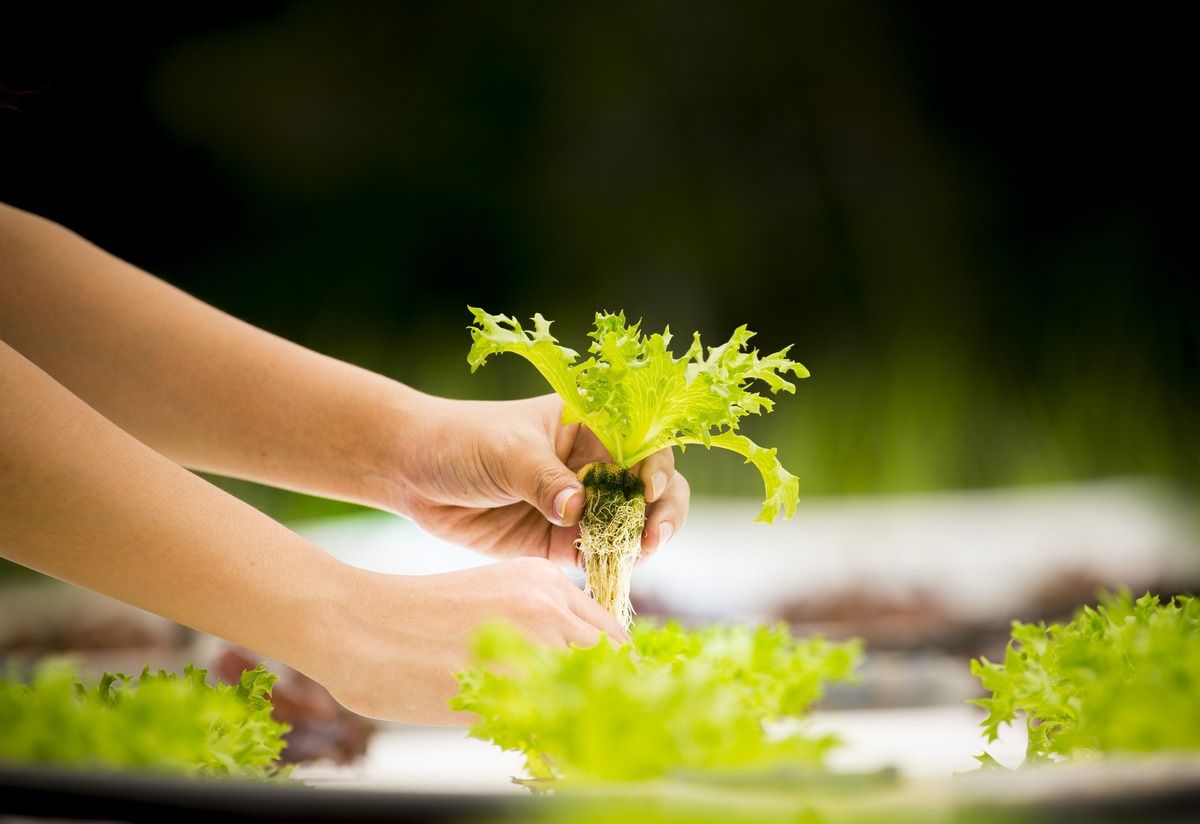
In the traditional gardening method, soil is used to grow plants, and water is then given to the soil. This can result in water loss through evaporation and runoff. In addition, soil dries out more quickly in warmer climates, requiring frequent irrigation.
On the other hand, most hydroponics systems use a closed-loop water system that allows the nutrient-rich water to be recirculated, which reduces the amount of water needed.
4. Controlling pH Level
The pH of the growing medium is crucial as there is a preferred range at which plants can absorb the essential nutrients effectively. Your plants won't be able to absorb some nutrients if the growing medium's pH level is excessively acidic or too alkaline. This can lead to a nutritional deficiency. Both, hydroponics and traditional, gardening methods call for careful pH level management of the growing medium.
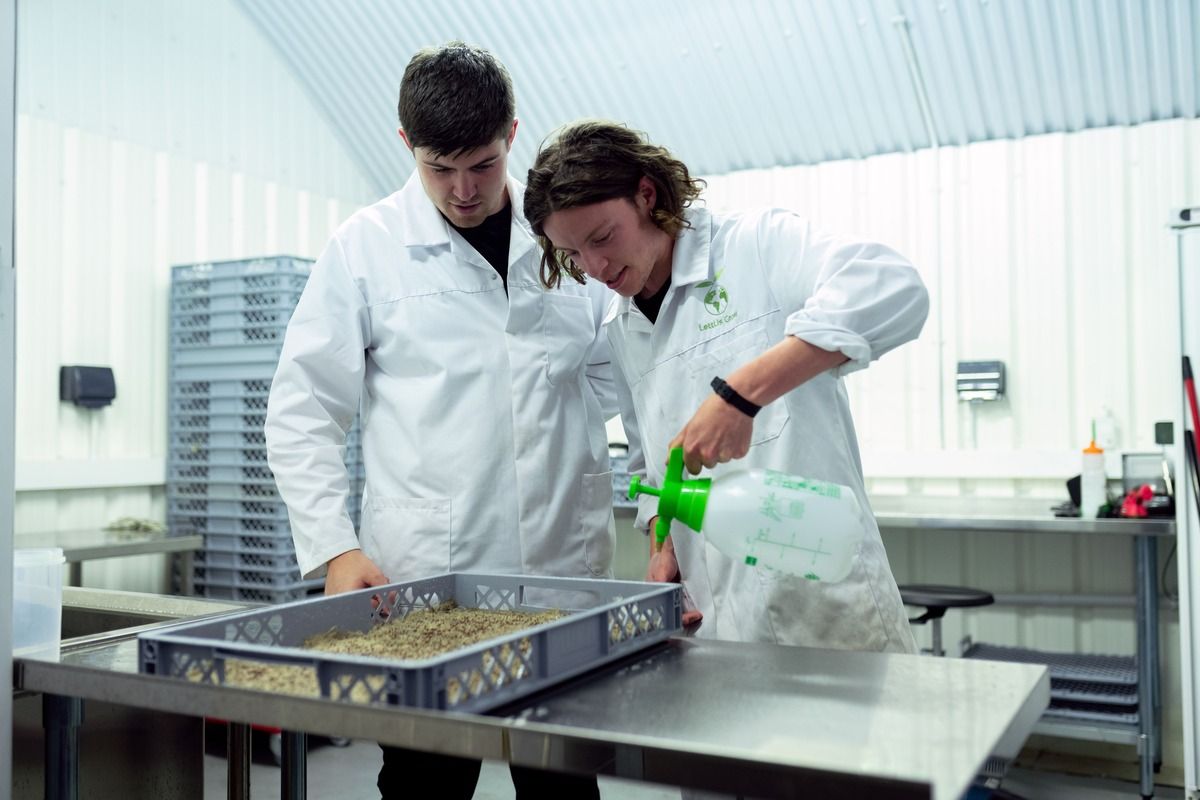
However, it can be challenging to regulate the pH level of the soil since it depends on the elements in the soil and the environment. But, with hydroponics, it is easier to do so, since the growth mediums used are typically inert and neutral at the start.
Besides, the pH level of nutrient solutions and that of the hydroponic mediums can also be measured more quickly, easily, and precisely than the pH level of soil.
5. Maintenance
Compared to traditional gardening, hydroponics requires a greater level of maintenance and micromanagement. No matter the hydroponics system you use, the system's components, including the water pump, lighting, nutrient solution, pH level, and even the entire growing environment, require constant monitoring and upkeep. Hydroponic system components must also be routinely cleaned and changed to prevent blockage.
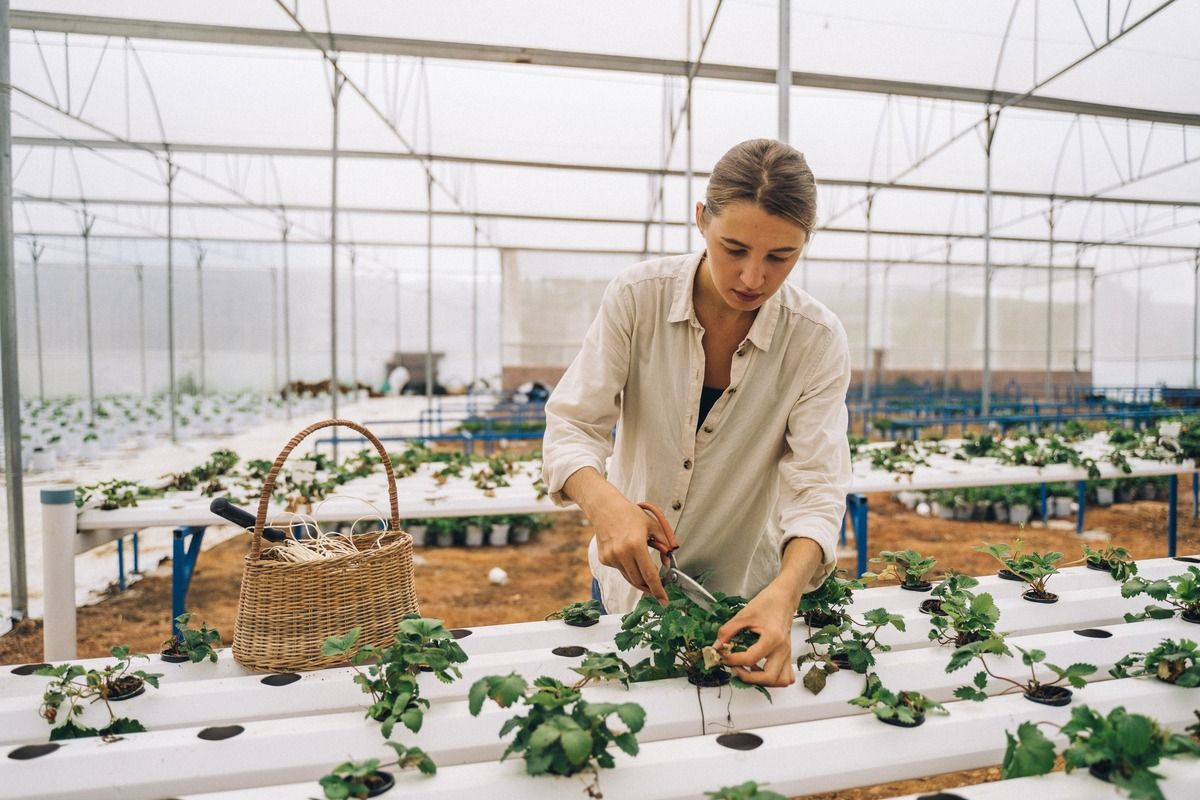
On the other hand, in soil-based gardening, you can get away with much less upkeep. A small garden doesn't require much maintenance beyond careful planning, the installation of an automatic irrigation system, and the occasional mowing and cleaning.
6. Needed Space
Gardening with hydroponics method has many advantages. One of them is that this method takes up less room than planting in the ground. Hydroponics systems are designed to maximize space utilization and can be set up in smaller areas compared to traditional in-ground gardens. Your available space is a major factor if you want to start hydroponic gardening. Here are other important factors you should also consider in such case.
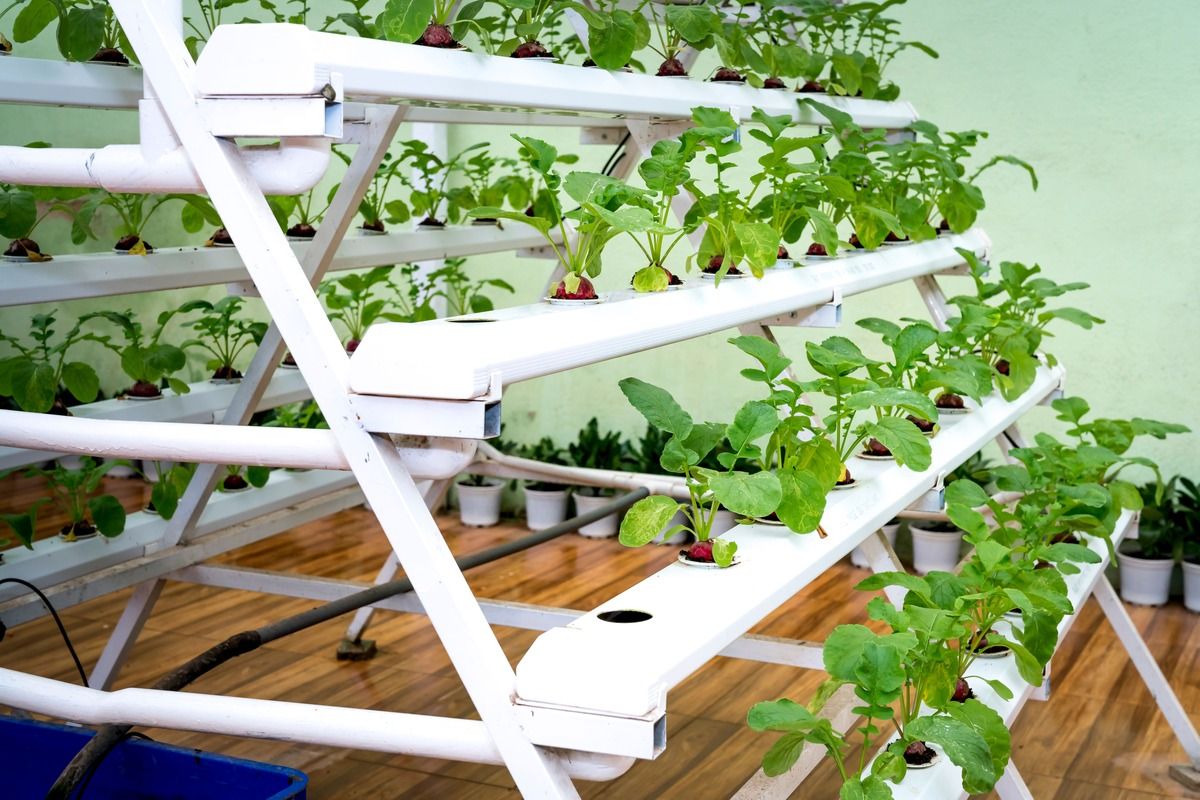
In-ground gardening, on the other hand, needs more room since the plants need soil to grow in. This method also takes up additional space for features like garden beds, pathways, etc.
7. Pest & Weed Control
The benefits of hydroponics don’t stop there. Getting rid of pests in hydroponic gardens is simple because the environment is closed off. If flying bugs sneak into your garden, simply place a few sticky traps around your plants and you're done; no insecticide is required. Moreover, hydroponic gardens are typically weed-free.
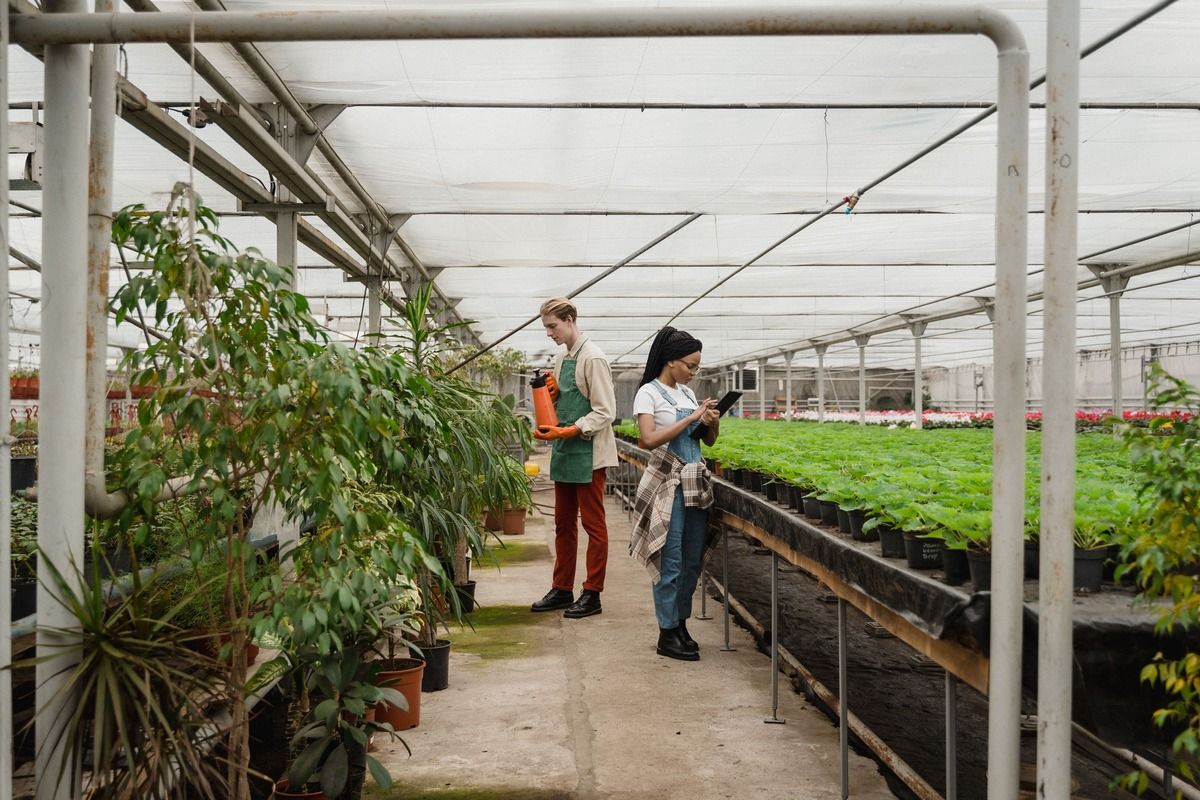
Regular gardens are more vulnerable to insect and rodent invasion. Also, soil-based gardening requires weeding and mowing quite often. On top of it, you proactively have to be on the lookout for furry critters and slimy bugs.
8. Light Requirement
Light is the most important factor in plant life. Most vegetable plants need 8-10 hours of light. Plants in in-ground gardens typically obtain this from the sun.
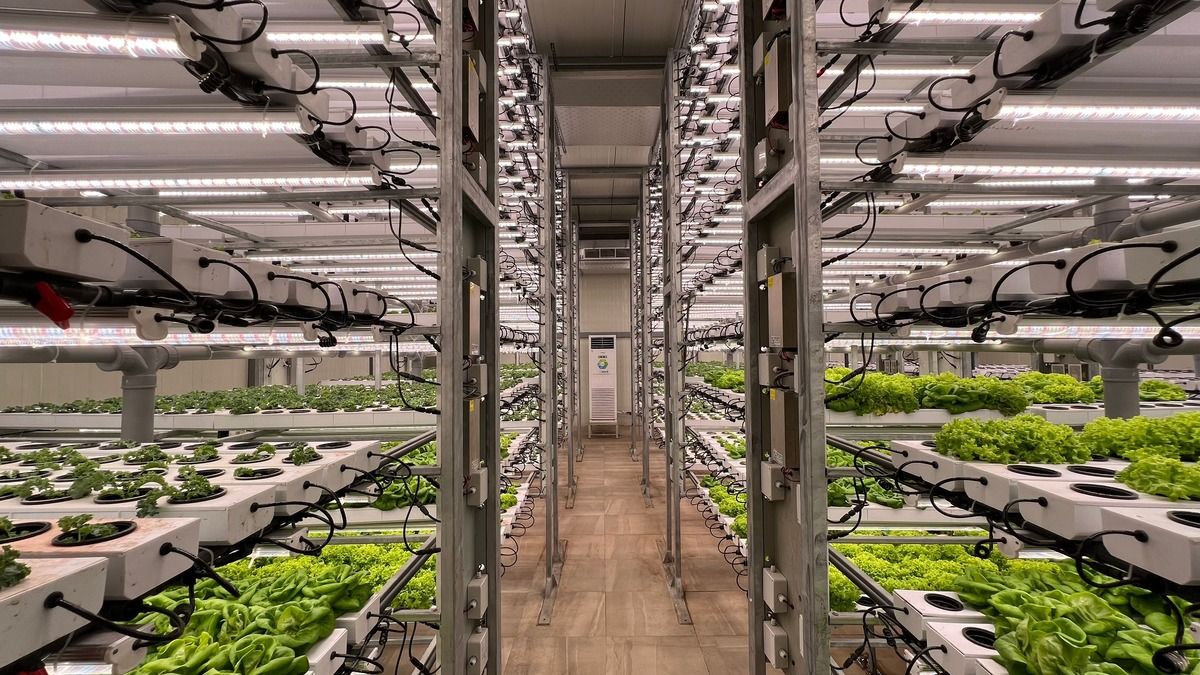
But, you would need to install a lighting system for your plants if you are plating in an indoor hydroponic garden. You can utilize a variety of lighting systems for this.
9. Environmental Impact
Compared to conventional soil-based gardening, hydroponic gardening is more environmentally friendly since it requires less water and fertilizer. Moreover, hydroponics is less dangerous to the environment because of decreased wastage, a lower risk of contamination, and decreased emissions.
However, in-ground gardening requires little to no electrical energy. But indoor hydroponic gardens require artificial lighting, and the majority of hydroponic systems need an electric water pump to maintain water and nutrient solution flow. All of these need energy and can be worrisome if the energy is derived from fossil fuels.
10. Cost
Hydroponic gardening has a higher initial setup cost compared to traditional soil-based gardening due to the need for specialized equipment and systems. Additionally, the continuous use of the water pump can increase your electricity bill.
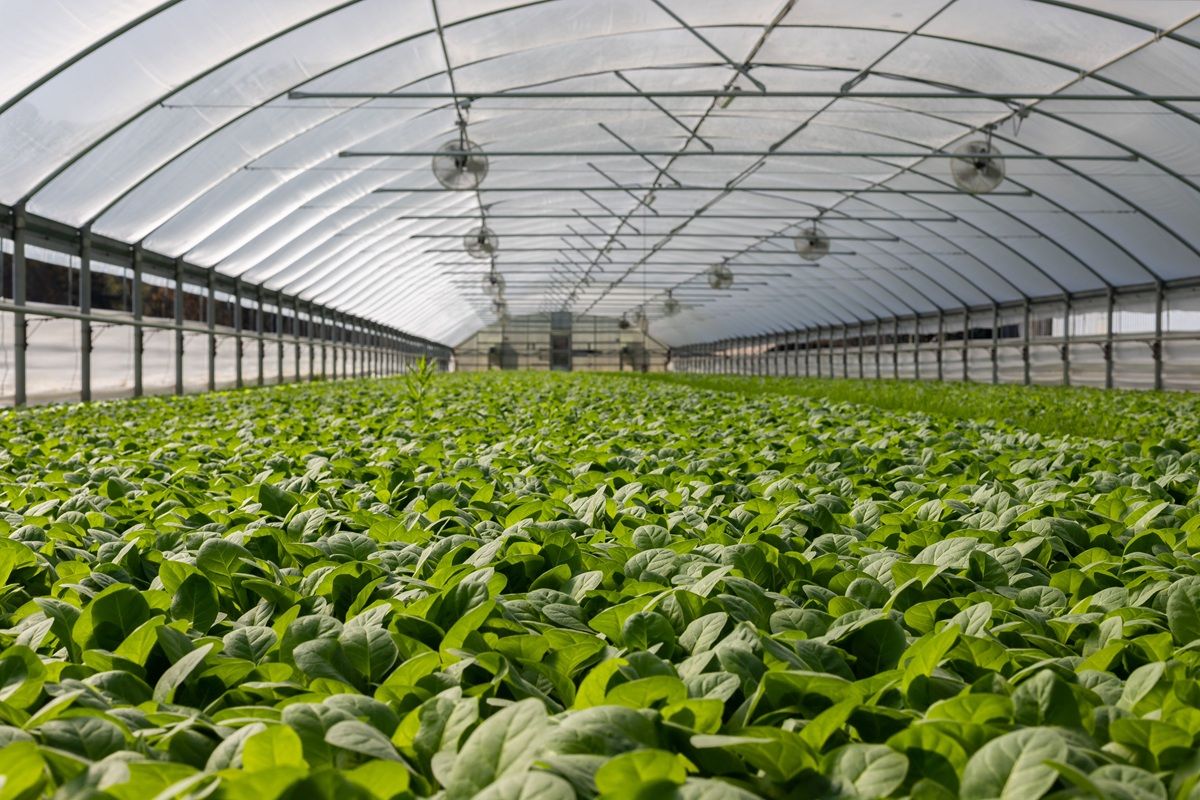
However, gardening with hydroponics method is more cost-effective than traditional gardening since it uses much less water, uses fertilizer more effectively, and is less time-consuming.
Conclusion
Hydroponic gardening and in-ground gardening both have their benefits and drawbacks. Which one suits a specific gardener ultimately depends on a variety of factors, including space, resources, personal preference, and the plant requirements.
FAQs
1. Are crops grown hydroponically healthier?
In certain aspects, hydroponic crops can be healthier and more nutritious than traditionally grown crops. However, this is dependent on several variables, including the specific hydroponic system used, the nutrient solution used, the type of crop being cultivated, and maintenance techniques.
2. Do hydroponic gardens grow faster than traditional gardening crops?
Yes. With the right hydroponic setup and care, plants in hydroponic gardens can grow faster than in soil-based traditional gardening.
3. Which one is cheaper?
The initial cost of setting up an in-ground traditional garden is cheaper than gardening with hydroponics. Hydroponic systems, though, can end up being more economical in the long run.
4. Are hydroponics gardens better than traditional gardens?
There is no clear-cut answer to whether hydroponic gardens are better than traditional gardens, as it depends on various factors and contexts. Both methods can produce healthy and nutritious crops, and the ideal option depends on the gardener's preference and goals.